What Maryland Law Actually Requires
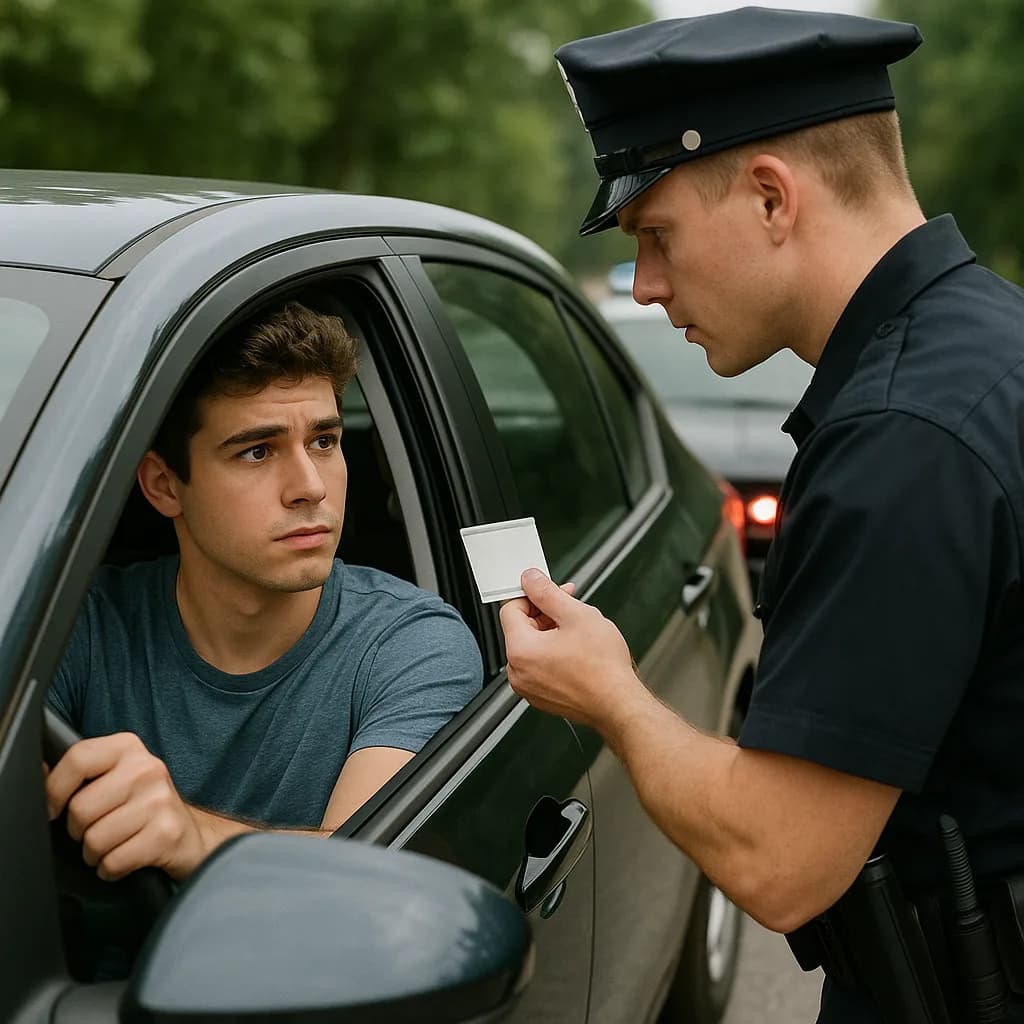
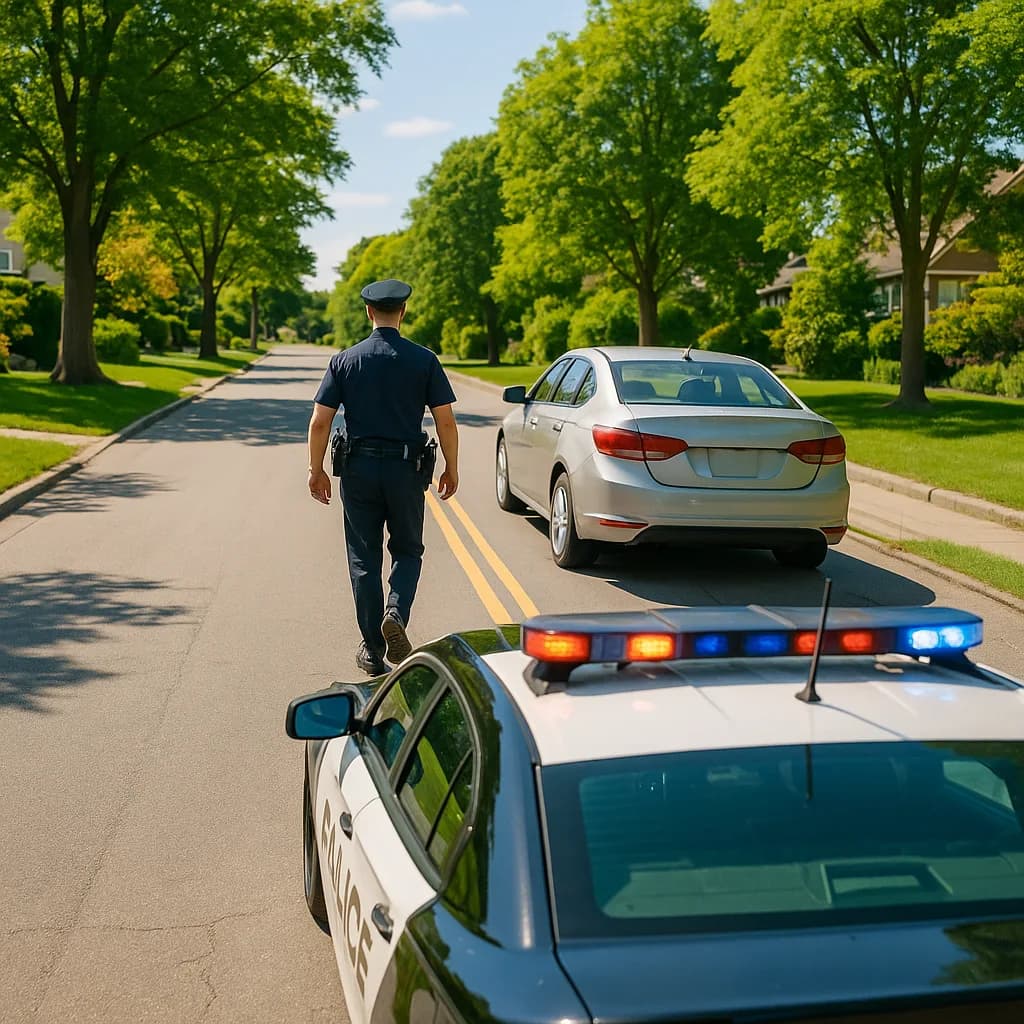
Maryland Transportation Code §17-106 requires every driver to carry proof of insurance whenever operating a vehicle. The law does not specify format — paper or digital — but it does require that the proof be immediately accessible and readable. Most officers accept a digital insurance card displayed on your phone, but some request paper documentation, particularly during roadside stops where phone screens are hard to read in sunlight or when a driver's phone battery is dead.
The Maryland Motor Vehicle Administration (MVA) recognizes electronic proof of insurance as valid under state law, but the law gives officers discretion to request additional verification if they cannot confirm coverage on the spot. This creates a procedural gap: you can comply with the letter of the law and still face a citation if the officer cannot verify your coverage in the moment. Drivers who carry both formats avoid this friction entirely.
Compare car insurance rates in your state
Get quotes from licensed carriers — no obligation, no spam, results in minutes.
Get Your Free QuoteMaryland No-Insurance Penalty
The fee applies even if you had coverage but could not prove it at the time of the stop.
Maryland Transportation Code §17-107
What Documents Satisfy the Requirement
Maryland law accepts three forms of proof: a paper insurance identification card issued by your carrier, a digital insurance card displayed on a mobile device, or an FR-19 certificate filed directly with the MVA by your carrier. The paper card must show your name, policy number, coverage effective dates, and the name of the insurer. Digital cards must display the same information and be accessible without unlocking additional apps or navigating through multiple screens.
The FR-19 is Maryland's electronic insurance verification system. When you purchase a policy, your carrier files an FR-19 certificate with the MVA, which allows officers to verify your coverage through their in-vehicle system during a traffic stop. This filing happens automatically for most carriers, but it does not eliminate your obligation to carry proof — officers still request documentation to confirm the policy matches the vehicle and driver in front of them.
If you insure multiple vehicles on one policy, each vehicle must have its own proof of insurance card. A single card listing all vehicles is not sufficient — Maryland law requires proof specific to the vehicle being operated. Carriers issue separate cards for each vehicle on the policy, and you must carry the correct card for the vehicle you are driving.
Officers can verify coverage through the FR-19 system, but they still request physical or digital proof to confirm the policy matches the vehicle and driver at the stop.
When Digital Proof Is Not Enough
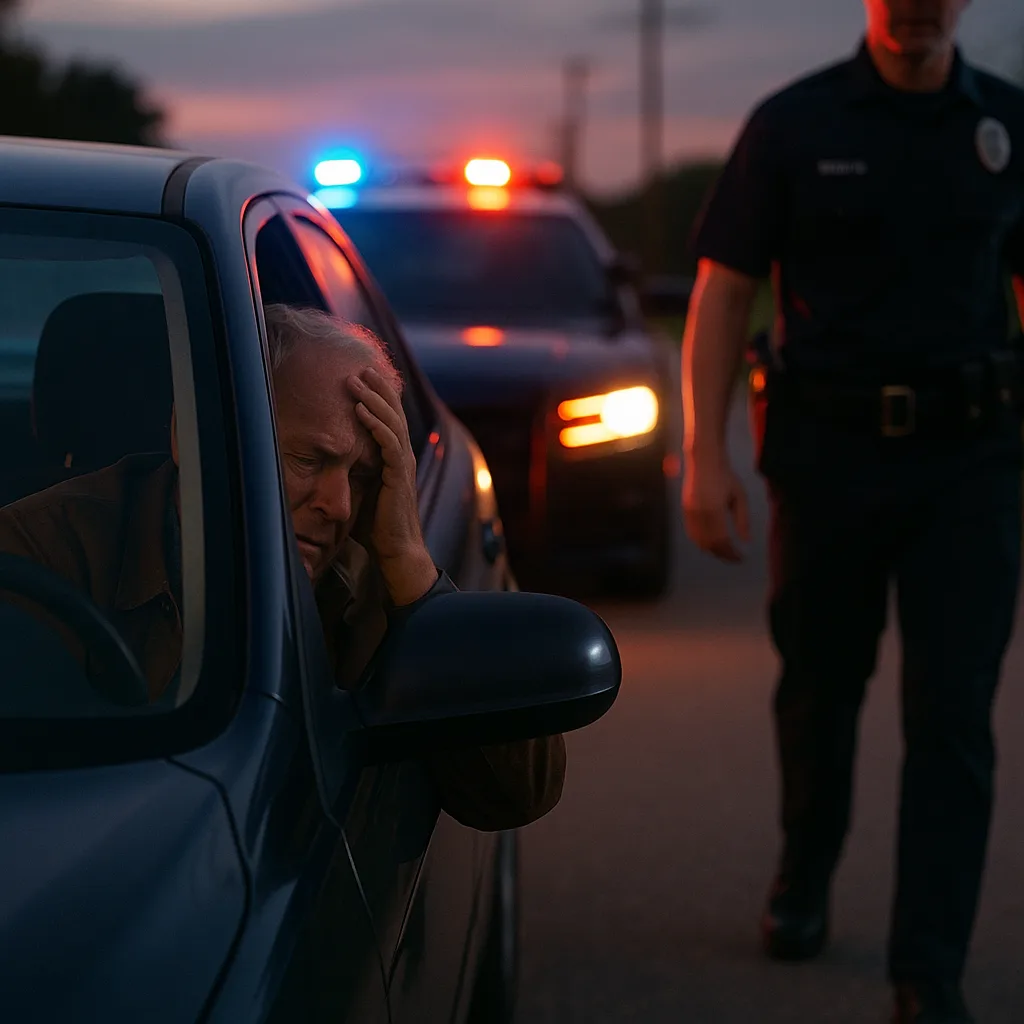
Officers may request paper proof when your phone screen is cracked, dim, or difficult to read in direct sunlight. They may also request paper documentation if your phone battery dies during the stop or if you cannot unlock your device quickly enough to display the card. Some officers prefer paper cards because they can hold the document while running your license and registration, rather than waiting for you to navigate through your phone's apps.
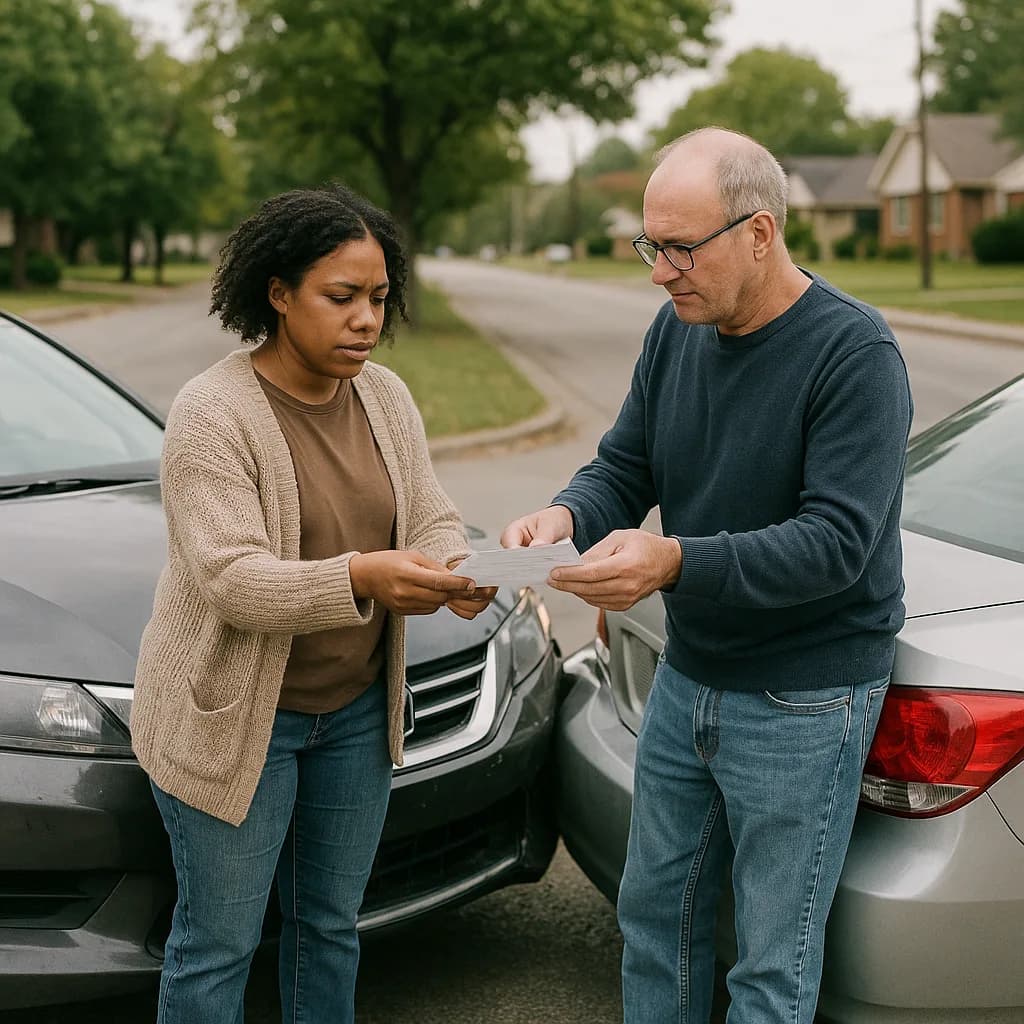
Accident scenes and roadside inspections create additional friction. If your vehicle is towed after an accident, the tow operator may request paper proof of insurance before releasing the vehicle. If you are involved in a collision and the other driver requests your insurance information, handing them your phone to photograph your digital card creates privacy risk — they can see notifications, contacts, and other personal information while your phone is unlocked. A paper card eliminates this exposure.
Related Articles


How the FR-19 System Works
When you purchase auto insurance in Maryland, your carrier electronically files an FR-19 certificate with the MVA. This certificate includes your name, policy number, coverage effective dates, and the vehicle identification number. The MVA stores this information in a database that law enforcement can access during traffic stops. Officers enter your license plate or VIN into their in-vehicle computer and see whether active coverage is on file.
The FR-19 system does not replace your obligation to carry proof of insurance. It serves as a backup verification tool for officers, but it does not eliminate the requirement to present documentation during a stop. If your carrier has not filed the FR-19, or if the filing contains an error — such as a mismatched VIN or an incorrect policy number — the officer's system will show no coverage, even if you have an active policy. This triggers a citation that you must resolve by providing corrected documentation to the MVA.
Drivers who switch carriers mid-term or add a vehicle to an existing policy sometimes encounter FR-19 filing delays. The new carrier must file an updated certificate with the MVA, and this process can take several business days. During that window, officers may see outdated or missing coverage information in their system. Carrying your paper or digital insurance card prevents citation during this gap.
Maryland Uninsured Motorist Rate
16.9%
This drives up premiums for insured drivers and increases the importance of carrying uninsured motorist coverage on your own policy.
Insurance Research Council, 2023
What Happens If You Cannot Provide Proof
If you cannot provide proof of insurance during a traffic stop, the officer issues a citation for driving without insurance. Maryland law treats this as a strict liability offense — the citation stands even if you had active coverage at the time of the stop. You must resolve the citation by appearing in court or submitting proof of coverage to the District Court within the timeframe specified on the ticket, typically 30 days from the date of issuance.
The court dismisses the citation if you provide proof that coverage was active on the date of the stop. You must submit a copy of your insurance card or a letter from your carrier confirming coverage, along with the citation number and court case number.
Compare Carriers That Serve Maryland
Maryland law requires minimum liability coverage of $30,000 per person, $60,000 per accident for bodily injury, and $15,000 for property damage. The state also mandates personal injury protection and uninsured motorist coverage. Carriers writing in Maryland include Allstate, Geico, Progressive, State Farm, and 20 others, each with different pricing structures for households insuring multiple vehicles. Compare quotes from carriers that file FR-19 certificates electronically and issue both digital and paper insurance cards for every vehicle on your policy.