
Uninsured Motorist Coverage — Maryland
Free to compare
What Uninsured Motorist Coverage Protects
You're hit by a driver with no insurance, or a hit-and-run driver leaves the scene. Uninsured motorist coverage pays for your injuries and, in Maryland, your vehicle damage when the at-fault driver carries no liability insurance. Maryland law requires this coverage on every vehicle you insure, and you cannot waive it unless you reject it in writing.
The coverage exists because 16.9% of Maryland drivers are uninsured. When you insure two, three, or four vehicles on one policy, each vehicle carries its own uninsured motorist limit. The way those limits interact when a crash involves one of your cars determines how much protection your household actually has.
“Most Maryland policies do not stack uninsured motorist coverage across vehicles—the limit on the car in the crash is the only limit available.”

Meet Maryland's Requirements Without Overpaying
Get My Maryland Car Insurance Quote16.9%
Maryland Uninsured Drivers
Nearly one in six Maryland drivers carries no liability insurance. Uninsured motorist coverage is the only protection you have when one of them causes a crash involving your vehicle.
Maryland Insurance Administration, 2023
How the Coverage Works Across Multiple Vehicles
Uninsured motorist coverage applies per vehicle, not per policy. If you insure three cars with $30,000 per person uninsured motorist coverage on each, you have $30,000 available when any one of those cars is hit by an uninsured driver.
Maryland allows stacking only if your policy explicitly includes a stacking provision. Most standard policies do not stack uninsured motorist limits across vehicles. The limit on the vehicle involved in the crash is the limit available to pay your claim. If you want higher protection, you raise the limit on each vehicle individually.
This matters most when multiple household members are injured in one crash. A family of four in one car hit by an uninsured driver will share the per-person limit on that vehicle. If the limit is $30,000 per person and four people are injured, each person's claim is capped at $30,000, but the total payout cannot exceed the per-accident limit your policy carries.
Some carriers offer stacking as an optional endorsement. If you want your uninsured motorist limits to combine across the vehicles on your policy, you must ask for it explicitly and pay the additional premium. Without that endorsement, the coverage does not stack.
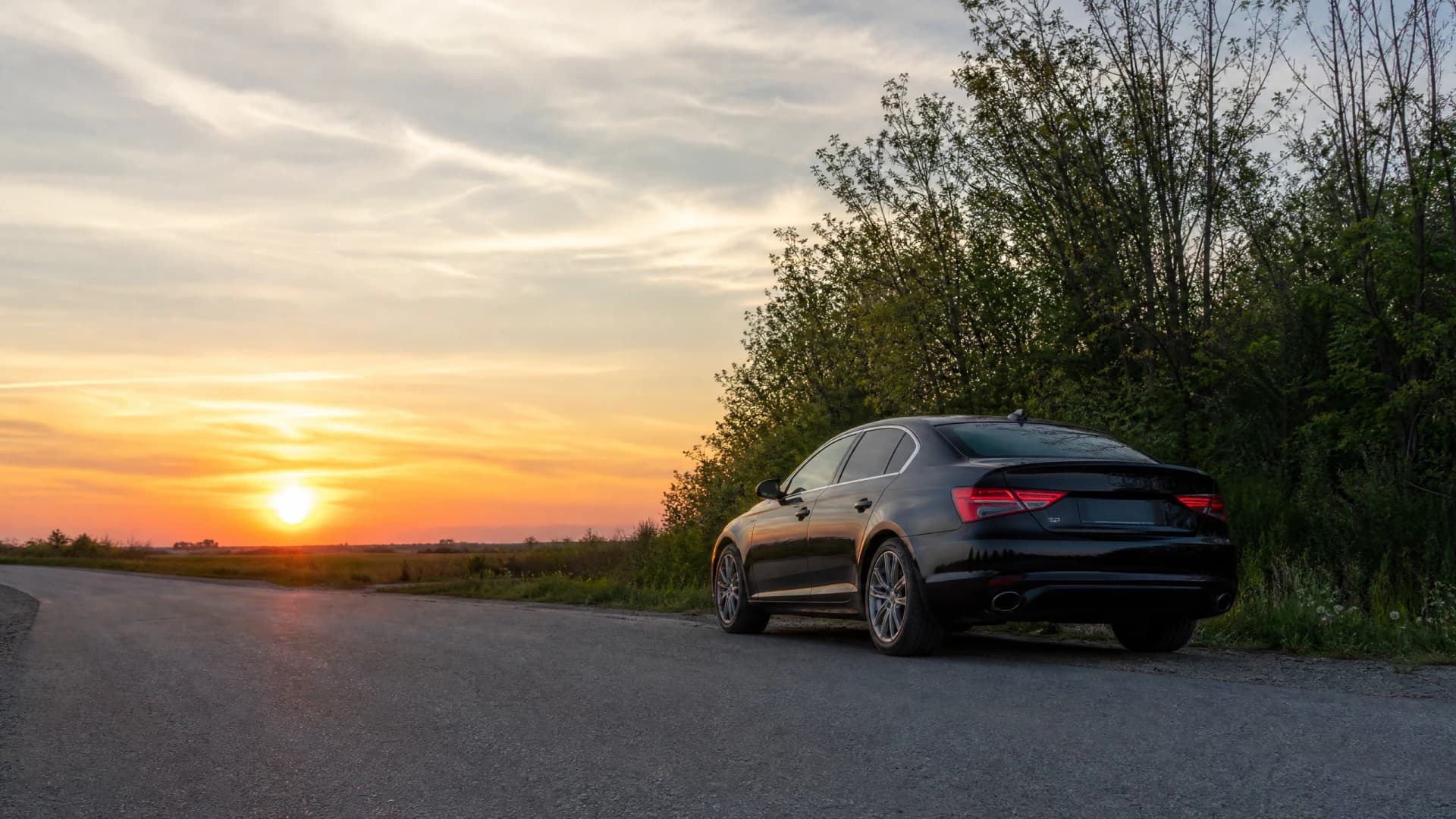
Most Maryland policies do not stack uninsured motorist coverage across vehicles. The limit on the car involved in the crash is the only limit available.




When Hit-and-Run Crashes Trigger the Coverage
A hit-and-run driver who flees the scene is treated as an uninsured motorist under Maryland law. Your uninsured motorist coverage applies whether the driver is identified or not. You must report the crash to police and cooperate with your carrier's investigation, but you do not need to identify the driver to file a claim.
If you have multiple vehicles on one policy and one is damaged in a hit-and-run, the uninsured motorist property damage limit on that specific vehicle applies. The coverage does not combine across your other cars unless your policy includes a stacking provision. Most households discover this limit only after a hit-and-run claim, when the payout is less than the repair cost because the vehicle's limit was set at the state minimum.
Raising your uninsured motorist property damage limit costs less than adding collision coverage to an older vehicle. If you're managing coverage across several cars and one or more lack collision, consider whether a higher uninsured motorist property damage limit gives you better hit-and-run protection without the collision deductible.
$30,000 / $60,000 / $15,000
Maryland Minimum Liability Limits
Maryland requires $30,000 bodily injury per person, $60,000 per accident, and $15,000 property damage. Your uninsured motorist coverage must match these limits unless you reject it in writing.
Maryland Transportation Code §17-103

Underinsured Motorist Coverage and Multi-Vehicle Households
Underinsured motorist coverage applies when the at-fault driver carries liability insurance, but their limits are too low to cover your injuries or damage. Maryland does not mandate underinsured motorist coverage, but most carriers include it automatically at the same limits as your uninsured motorist coverage unless you reject it.
The coverage works the same way across multiple vehicles: it applies per vehicle, not per policy, unless your policy stacks. If one of your cars is hit by a driver with $30,000 in liability coverage and your injuries exceed that amount, your underinsured motorist coverage pays the difference up to your policy limit.
Households with multiple vehicles often carry higher underinsured motorist limits on the cars driven most frequently or by household members with higher earning potential. A crash that injures a working adult can produce wage-loss claims that exceed the at-fault driver's liability limits. Underinsured motorist coverage fills that gap without forcing you to sue the other driver personally.
How to Structure Uninsured Motorist Coverage Across Your Vehicles
Start by confirming whether your policy stacks uninsured motorist coverage across vehicles. Most Maryland policies do not stack unless you add a stacking endorsement. If your policy does not stack, the limit on each vehicle is the only protection available when that car is involved in a crash. Raising the limit on your most-driven vehicle or the car that carries passengers most often gives you better protection where it matters most.
If you carry collision coverage on some vehicles but not others, compare the cost of raising your uninsured motorist property damage limit on the cars without collision. A higher uninsured motorist property damage limit protects you in hit-and-run crashes without the collision deductible. For older vehicles where collision premiums are high relative to the car's value, this structure often costs less and delivers better hit-and-run coverage.
Compare Carriers That Write Multiple Vehicles in Maryland
Uninsured motorist coverage is mandatory in Maryland, but the cost of raising your limits and the availability of stacking endorsements vary by carrier. Some carriers price higher uninsured motorist limits more competitively than others, and not all offer stacking. When you insure multiple vehicles, the difference in premium for higher limits multiplies across every car on the policy. Compare quotes from carriers that write multi-vehicle policies in Maryland and ask explicitly whether stacking is available and what it costs. The carriers listed in the data block above write coverage in Maryland; start there and request quotes that show uninsured motorist limits above the state minimum.
What Uninsured Motorist Coverage Pays For
Uninsured motorist bodily injury pays for medical bills, lost wages, and pain and suffering when you or your passengers are injured by an uninsured driver. It also covers you when you're hit by a hit-and-run driver whose identity cannot be determined. The coverage applies whether you're in your own vehicle, riding in someone else's car, or struck as a pedestrian by an uninsured driver. Maryland requires this coverage to match your liability limits unless you reject it in writing.
Uninsured motorist property damage pays for damage to your vehicle when an at-fault uninsured driver hits you. Maryland is one of the few states that mandates this coverage. The limit is typically $15,000, matching the state's minimum property damage liability requirement. If your car is worth more than the limit, collision coverage fills the gap. Households with multiple vehicles often carry collision on newer cars and rely on uninsured motorist property damage for older vehicles where collision premiums exceed the car's value.
Get Your Free Quote
Get My Maryland Car Insurance QuoteFrequently Asked Questions
Does uninsured motorist coverage apply if I'm hit while driving someone else's car?
Yes. Maryland uninsured motorist coverage follows you as a driver, not just your vehicle. If you're injured in a crash while driving a friend's car and the at-fault driver is uninsured, your own uninsured motorist coverage applies after the vehicle owner's coverage is exhausted.
Can I reject uninsured motorist coverage in Maryland?
You can reject it, but only in writing on a form your carrier provides. Maryland requires uninsured motorist coverage on every vehicle unless you explicitly waive it. Most carriers set the coverage to match your liability limits by default.
What happens if the uninsured driver who hit me has no assets?
Your uninsured motorist coverage pays your claim regardless of the at-fault driver's financial situation. You do not need to sue the other driver or prove they cannot pay. Your carrier handles the claim directly.
Does uninsured motorist coverage pay for my car if I'm hit in a parking lot and the driver leaves?
Yes, if you carry uninsured motorist property damage coverage. A hit-and-run in a parking lot is treated as an uninsured motorist claim. You must report it to police and your carrier, but you do not need to identify the driver.
How does uninsured motorist coverage work if multiple people in my car are injured?
Each injured person can claim up to the per-person limit on the vehicle involved in the crash. The total payout for all injuries cannot exceed the per-accident limit. If four people are injured and your policy carries $30,000 per person and $60,000 per accident, the $60,000 cap applies to all claims combined.
Can I stack uninsured motorist coverage across the vehicles on my Maryland policy?
Only if your policy includes a stacking endorsement. Most Maryland policies do not stack uninsured motorist limits across vehicles unless you request it and pay the additional premium. Without stacking, the limit on the vehicle involved in the crash is the only limit available.