
Minimum vs Full Coverage — Maryland
Free to compare
The Multi-Car Decision
You own two or three vehicles. You need insurance on all of them. You're weighing whether to carry Maryland's state minimums on every car or add collision and comprehensive to the policy. The premium difference across multiple vehicles is the number that decides.
Maryland's minimum-coverage requirement is more than liability alone. The state mandates personal injury protection and uninsured-motorist coverage on top of the $30,000 per person, $60,000 per accident, and $15,000 property damage liability limits. Those mandatory add-ons push the floor higher than drivers arriving from states without PIP expect, and the gap between minimum and full coverage narrows as a result.
“Maryland's mandatory PIP and uninsured-motorist requirements mean minimum coverage costs more than liability alone.”

Meet Maryland's Requirements Without Overpaying
Get My Maryland Car Insurance Quote$30,000/$60,000/$15,000
Maryland Liability Minimums
Maryland requires $30,000 bodily injury per person, $60,000 per accident, and $15,000 property damage. Personal injury protection and uninsured-motorist coverage are mandatory on top of those limits.
Maryland Insurance Administration
What Minimum Coverage Actually Includes in Maryland
Minimum coverage in Maryland is not just liability. Every policy must carry personal injury protection, which pays medical expenses and lost wages for you and your passengers regardless of fault, and uninsured-motorist coverage, which pays when the at-fault driver has no insurance or insufficient limits. Those two coverages are not optional.
The liability minimums cover damage you cause to others: $30,000 per person for bodily injury, $60,000 per accident for all injuries combined, and $15,000 for property damage. If you cause an accident that injures multiple people or totals a newer vehicle, those limits can be exhausted quickly. Minimum coverage does not pay to repair or replace your own vehicle after an at-fault accident, a collision with an object, theft, vandalism, or weather damage.
Full coverage adds collision and comprehensive to the minimum-coverage base. Collision pays to repair or replace your vehicle after an at-fault accident or a collision with an object. Comprehensive pays for theft, vandalism, fire, weather damage, and animal strikes. Both coverages carry a deductible you choose when you structure the policy.
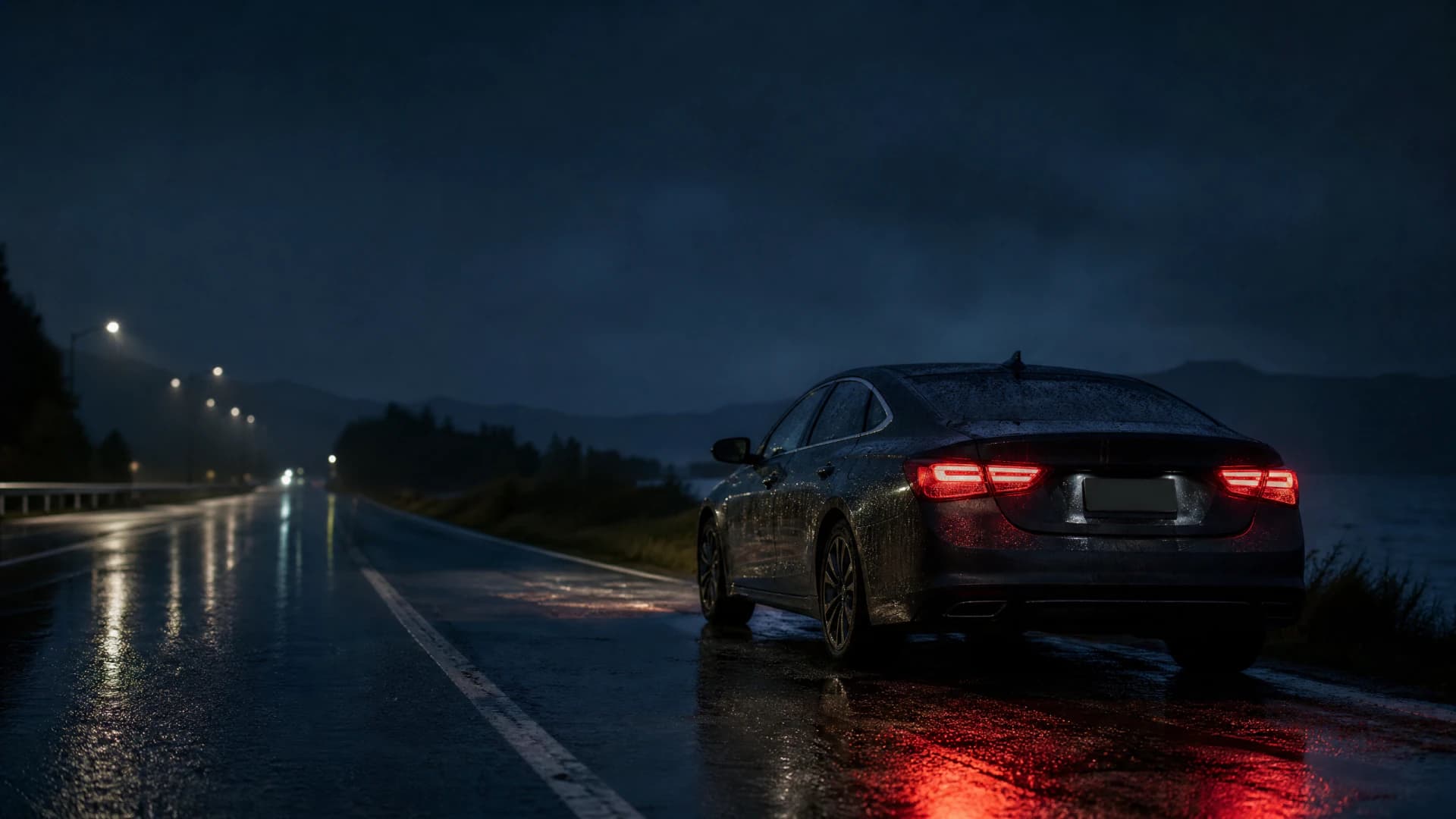
Maryland's mandatory PIP and uninsured-motorist requirements mean minimum coverage is not the cheapest floor available in other states.
Related Articles







When Full Coverage Pays on a Multi-Car Policy
Full coverage makes sense when the vehicle's value justifies the added premium. A conventional threshold: if the vehicle is worth more than ten times the annual collision and comprehensive premium, the coverage pays.
Lenders require collision and comprehensive on financed and leased vehicles. You cannot drop either coverage until the loan is satisfied or the lease ends. If you carry three vehicles on one policy and two are financed, those two must carry full coverage regardless of the third vehicle's status.
High theft rates tilt the decision toward comprehensive. Maryland recorded 415.6 motor vehicle thefts per 100,000 population in 2024. Comprehensive pays the actual cash value of the vehicle minus your deductible if it is stolen and not recovered. A $500 or $1,000 deductible keeps the premium manageable while covering total-loss theft.
16.9%
Maryland Uninsured Motorist Rate
Nearly one in six Maryland drivers operates without insurance. Uninsured-motorist coverage is mandatory and pays when an at-fault driver has no policy or insufficient limits to cover your injuries.
Insurance Research Council, 2023
Structuring Coverage Across Multiple Vehicles
You can carry different coverage levels on different vehicles within the same multi-car policy. The newest car carries full coverage with a $500 deductible. The second car, older but driven daily, carries full coverage with a $1,000 deductible to lower the premium. The third car, rarely driven and garaged, carries minimum coverage only. All three sit on one policy and qualify for the multi-car discount.
The multi-car discount requires every vehicle to appear on the same policy. A vehicle titled to a household member on a separate policy does not count toward the discount. If you and a spouse each maintain a separate policy, combining them into one multi-car policy typically lowers the combined premium, even when one or more vehicles carry full coverage.
Compare Carriers That Write Multi-Car Policies in Maryland
Twenty-seven carriers write auto insurance in Maryland. Not all offer competitive multi-car discounts, and not all write policies for households with three or more vehicles. Compare Maryland carriers that structure multi-car policies and request quotes for the specific coverage levels you need on each vehicle. The premium difference between minimum and full coverage varies by carrier, vehicle, and driver profile. The only way to know the actual gap is to request quotes for both structures from multiple carriers and compare the per-vehicle and total-policy premiums side by side.
How the Gap Narrows on Multi-Car Policies
A multi-car discount reduces the per-vehicle premium when you insure two or more cars on the same policy. The discount applies to the liability, PIP, and uninsured-motorist portions of the premium first. When you add collision and comprehensive to a policy that already carries the multi-car discount, the incremental cost of full coverage is lower than it would be on a single-car policy.
The decision turns on vehicle value and how you use each car. A newer vehicle financed through a lender requires collision and comprehensive until the loan is paid off. An older vehicle driven daily in a high-theft area may justify comprehensive even when collision does not. A rarely-driven third car garaged at home may not need either. The multi-car structure lets you mix coverage levels across vehicles on the same policy.
Get Your Free Quote
Get My Maryland Car Insurance QuoteFrequently Asked Questions
Does Maryland require collision and comprehensive coverage?
Maryland does not require collision or comprehensive coverage unless your vehicle is financed or leased. Lenders require both coverages until the loan is paid off. The state requires liability, personal injury protection, and uninsured-motorist coverage on every policy.
Can I carry minimum coverage on one car and full coverage on another?
Yes. A multi-car policy lets you carry different coverage levels on different vehicles. You can insure one car with minimum coverage and another with full coverage on the same policy. Both vehicles qualify for the multi-car discount.
What is the multi-car discount in Maryland?
The multi-car discount reduces the per-vehicle premium when you insure two or more cars on the same policy. The discount applies to liability, PIP, and uninsured-motorist coverage. The discount percentage varies by carrier and is not published as a standard rate.
Does minimum coverage pay for my own car after an accident?
No. Minimum coverage in Maryland includes liability, personal injury protection, and uninsured-motorist coverage. None of those pay to repair or replace your own vehicle after an at-fault accident. Collision coverage pays for that damage.
How do I know if full coverage is worth it?
Compare the vehicle's value to the annual collision and comprehensive premium. If the vehicle is worth more than ten times the annual premium, full coverage typically pays. A financed or leased vehicle requires full coverage regardless of value.
What does comprehensive coverage pay for in Maryland?
Comprehensive pays for theft, vandalism, fire, weather damage, falling objects, and animal strikes. It does not pay for collision damage. Maryland recorded 415.6 vehicle thefts per 100,000 population in 2024, making comprehensive relevant for high-theft areas.