
Average Car Insurance Premium — Maryland
Free to compare
What Maryland Drivers Pay Per Vehicle
You own two or three cars, you're shopping for coverage in Maryland, and you need to know what you'll actually pay. The state's published average is $856.28 per insured vehicle annually, measured across all drivers and coverage levels. That figure comes from the 2023 NAIC data Maryland uses for consumer guidance, but it tells you nothing about what your household will pay when you put multiple vehicles on one policy.
The per-vehicle average reflects single-car policies, minimum-coverage drivers, and full-coverage households blended together. Your household's rate depends on how many cars you insure on the same policy, whether the multi-car discount applies, where you garage the vehicles, and which coverage levels you choose. A household insuring three cars on one policy in Baltimore County pays a different effective per-vehicle rate than a household insuring the same three cars on separate policies in Montgomery County.
“The statewide average treats every car as independent. Multi-car policies re-rate the entire household when you add or remove a vehicle.”

Meet Maryland's Requirements Without Overpaying
Get My Maryland Car Insurance Quote$856.28/vehicle/year
Maryland Published Average
This is the statewide average annual expenditure per insured vehicle for 2023, published by NAIC and used by the Maryland Insurance Administration for consumer guidance. It blends all coverage levels, all driver profiles, and all household structures.
NAIC 2023 auto insurance expenditure data
How Multi-Car Policies Change the Per-Vehicle Cost
The multi-car discount lowers the per-vehicle rate when you insure two or more vehicles on the same policy. Most carriers require every vehicle to sit on one policy and share a garaging address for the discount to apply. A vehicle titled to someone outside your household or garaged at a different address may not qualify, even if you're paying for it.
Adding a second or third vehicle to an existing policy re-rates the entire policy, not just the new car. The carrier recalculates your premium based on the combined risk profile of all vehicles, all drivers, and the new coverage structure. A household adding a high-value third car to a policy covering two older sedans will see the per-vehicle average shift because the policy now carries higher collision and comprehensive limits across the board.
It treats every vehicle as an independent unit, which is not how multi-car policies price. Your household's per-vehicle cost is the total policy premium divided by the number of cars, and that figure changes every time you add or remove a vehicle.
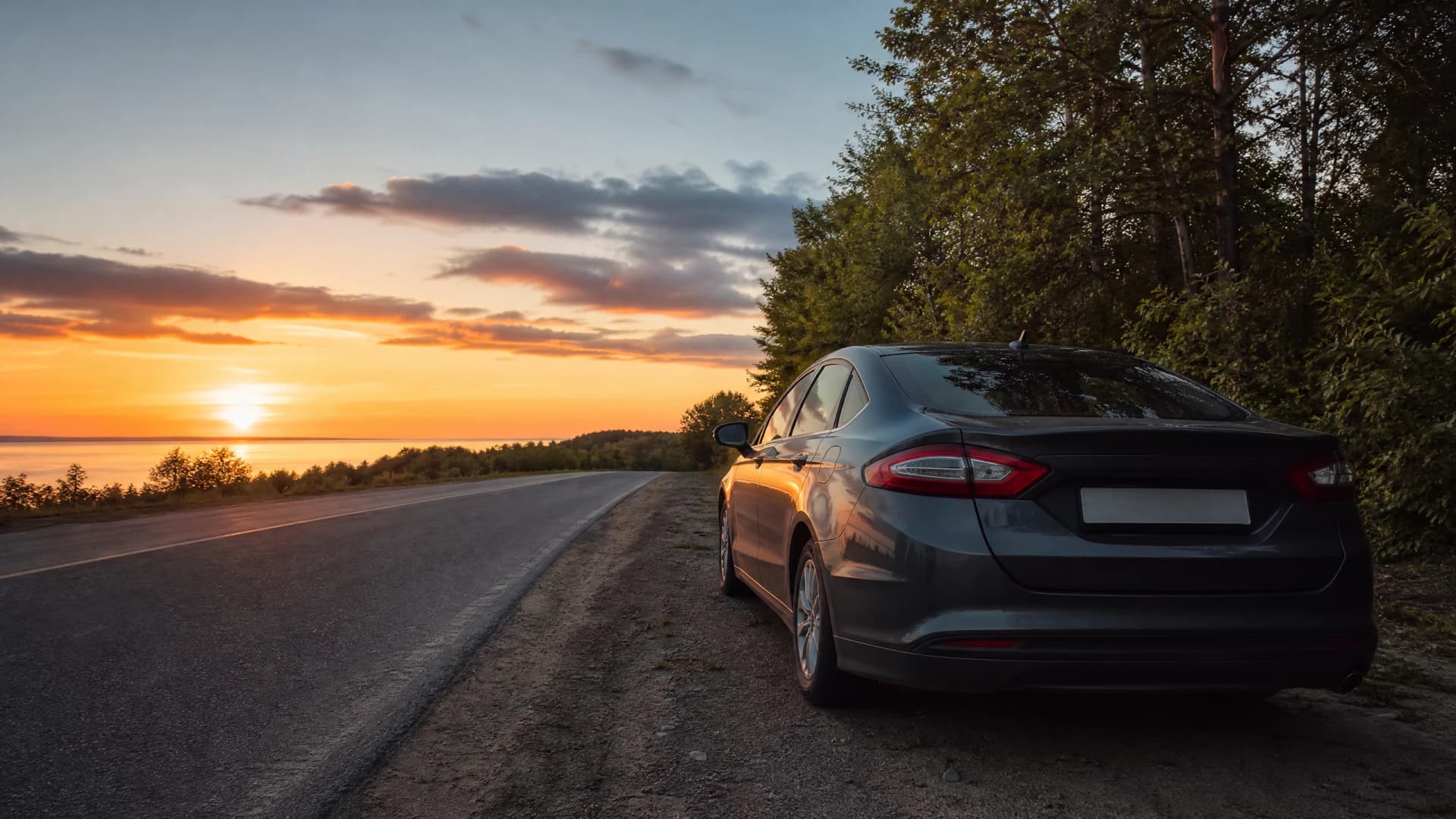
The statewide average treats every car as independent. Multi-car policies re-rate the entire household when you add or remove a vehicle.



How Carrier Choice Changes the Household Premium
Maryland has 28 carriers writing auto insurance, and their multi-car discount structures vary. Some carriers offer a larger discount on a higher base rate; others offer a smaller discount on a lower starting premium. A household comparing quotes needs to compare the total policy premium after the multi-car discount, not the discount percentage alone. A 15 percent discount on a lower base rate can beat a 25 percent discount on a higher one.
The Maryland Insurance Administration publishes a rate comparison guide showing monthly premium ranges by carrier, but those ranges reflect individual-driver quotes, not multi-car household policies. The guide's $110 to $620 per month range is useful for understanding the spread between minimum-coverage and full-coverage single-driver policies, but it does not show how carriers price three-car households or apply the multi-car discount. You need carrier-specific quotes for your exact household structure to see the real cost.
Carriers writing in Maryland include Allstate, GEICO, Progressive, State Farm, Nationwide, Farmers, Liberty Mutual, Travelers, USAA, Erie, and 18 others. Not all write multi-car policies the same way. Some carriers require every driver in the household to be listed on the policy; others allow you to exclude a household member who has their own coverage. Some carriers re-rate the policy every time you add a vehicle; others lock the rate for the term and adjust at renewal. These structural differences change what you pay.
28 carriers
Maryland Auto Insurance Market
Maryland licenses 28 auto insurance carriers writing policies in the state as of 2025. The market includes national carriers, regional specialists, and non-standard insurers. Multi-car discount availability and policy structure vary by carrier.
Maryland Insurance Administration carrier roster

When the Average Does Not Apply to Your Household
If your household has clean driving records, multiple cars on one policy, and you're comparing full-coverage options, your per-vehicle cost will not match the statewide average. The average is a population-level statistic, not a household-level quote.
A household with three vehicles, two drivers over 40, no violations in three years, and garaging in a low-theft county will pay below the average on a per-vehicle basis. A household with one vehicle, a driver under 25, a recent at-fault accident, and garaging in Baltimore City will pay above it. The average is the midpoint of a distribution that includes both extremes and everything in between.
Compare Carriers for Your Household Structure
The statewide average tells you what Maryland drivers pay in aggregate. It does not tell you what your household will pay when you insure multiple cars on one policy with your specific garaging address, coverage levels, and driver profile. The only way to know your household's rate is to compare carrier quotes for your exact structure: number of vehicles, drivers listed on the policy, garaging location, and coverage selections. Enter your household details, request quotes from multiple carriers, and compare the total policy premium after the multi-car discount. That figure, divided by the number of vehicles, is your household's per-vehicle cost.
What Drives Your Household's Rate in Maryland
Garaging location matters more for multi-car households because every vehicle on the policy is rated to the same address. A household in Baltimore City with three cars pays a higher combined premium than the same household in Carroll County, even if the vehicles and drivers are identical. Theft rates, accident frequency, and uninsured-motorist exposure vary by county, and carriers price those risks into the policy premium. Maryland's uninsured motorist rate is 16.9 percent statewide, but county-level exposure varies, and carriers adjust rates accordingly.
Coverage level is the second-largest driver. Maryland requires $30,000 bodily injury per person, $60,000 per accident, $15,000 property damage, personal injury protection, and uninsured motorist coverage. The multi-car discount applies to the total policy premium, so higher coverage levels mean a larger absolute discount but also a higher base cost.
Get Your Free Quote
Get My Maryland Car Insurance QuoteFrequently Asked Questions
What is the average car insurance cost in Maryland?
Maryland's average annual expenditure per insured vehicle is $856.28, based on 2023 NAIC data. This figure blends all coverage levels, driver profiles, and household structures statewide. Multi-car households typically pay a different per-vehicle rate due to the multi-car discount and policy-level re-rating.
Does insuring multiple cars lower the per-vehicle cost in Maryland?
Yes, when you insure two or more vehicles on the same policy. The multi-car discount reduces the total policy premium, which lowers the effective per-vehicle cost. The discount applies only when all vehicles sit on one policy and typically requires a shared garaging address.
How does garaging location affect car insurance rates in Maryland?
Carriers price policies based on county-level theft rates, accident frequency, and uninsured-motorist exposure. A household in Baltimore City pays more than the same household in Carroll County, even with identical vehicles and drivers. Maryland's uninsured motorist rate is 16.9 percent statewide, but county exposure varies.
What coverage does Maryland require for car insurance?
Maryland requires $30,000 bodily injury per person, $60,000 per accident, $15,000 property damage, personal injury protection, and uninsured motorist coverage. These minimums apply to every vehicle on your policy. Households carrying higher limits pay more but receive broader protection.
How many car insurance carriers write policies in Maryland?
Maryland licenses 28 auto insurance carriers as of 2025. The market includes national carriers like GEICO, State Farm, and Progressive, regional specialists like Erie, and non-standard insurers. Multi-car discount structures and policy terms vary by carrier.
Why does adding a car to my policy change the rate on my other vehicles?
Adding a vehicle re-rates the entire policy, not just the new car. Carriers recalculate your premium based on the combined risk profile of all vehicles, all drivers, and the new coverage structure. The per-vehicle cost is the total policy premium divided by the number of cars.