
Average Cost of Car Insurance — Maryland
Free to compare
What Maryland Drivers Actually Pay
You're managing insurance for two or more cars in Maryland, and the cost figures you find online don't match the quotes carriers give you. One source says the average is $856.28 per year per vehicle. Another shows a monthly range of $110–$620. Your own quote comes back higher than both. The disconnect isn't a mystery—it's household structure.
Maryland's average annual expenditure per insured vehicle is $856.28, based on 2023 data. That figure reflects all vehicles across all household types: single-car policies, multi-car policies, young drivers, senior drivers, clean records, and violation histories. When you insure multiple vehicles on one policy, your per-vehicle cost typically drops below that average—but only if the policy structure qualifies for the multi-car discount. When it doesn't, you pay more per vehicle than a single-car household would.
“A vehicle garaged at a different address often disqualifies the entire policy from the multi-car discount, raising per-vehicle cost above the state average.”

Meet Maryland's Requirements Without Overpaying
Get My Maryland Car Insurance Quote$856.28/year
Maryland Per-Vehicle Expenditure
This is the average annual auto insurance expenditure per insured vehicle in Maryland, based on 2023 data. Multi-car households that structure coverage on one policy typically pay less per vehicle than this average; households that split vehicles across separate policies often pay more.
Maryland Insurance Administration
Why Multi-Car Households Pay Different Amounts
The multi-car discount applies when every vehicle sits on the same policy. Most carriers require all cars to be garaged at the same address and titled to members of the same household. When those conditions are met, the per-vehicle premium drops—often by enough to make a three-car policy cheaper per vehicle than a two-car policy split across separate accounts.
The structural reality: a vehicle titled to someone outside your household, or garaged at a different address, typically does not qualify for the same-policy discount. You can still add it to your policy in some cases, but the discount may not apply. That's why combining policies after marriage or a household move sometimes raises the total premium instead of lowering it—the new vehicle doesn't meet the same-policy requirements, so the discount disappears.
Maryland requires $30,000 bodily injury per person, $60,000 bodily injury per accident, and $15,000 property damage as minimum liability limits. The state also mandates personal injury protection and uninsured motorist coverage. Meeting those minimums costs less than full coverage, but the gap narrows when you add a second or third vehicle—collision and comprehensive premiums scale with vehicle value, while liability scales with household risk.

A vehicle garaged at a different address or titled outside your household often disqualifies the entire policy from the multi-car discount, raising the per-vehicle cost above the state average.





What Drives Cost Differences Across Maryland Households
Location within Maryland matters. Drivers in Baltimore and the Washington suburbs face higher premiums than drivers in rural counties, driven by higher theft rates, denser traffic, and more uninsured motorists. Maryland's uninsured motorist rate is 16.9 percent, and the state's motor vehicle theft rate is 415.6 per 100,000 population. Both figures push premiums up in urban areas.
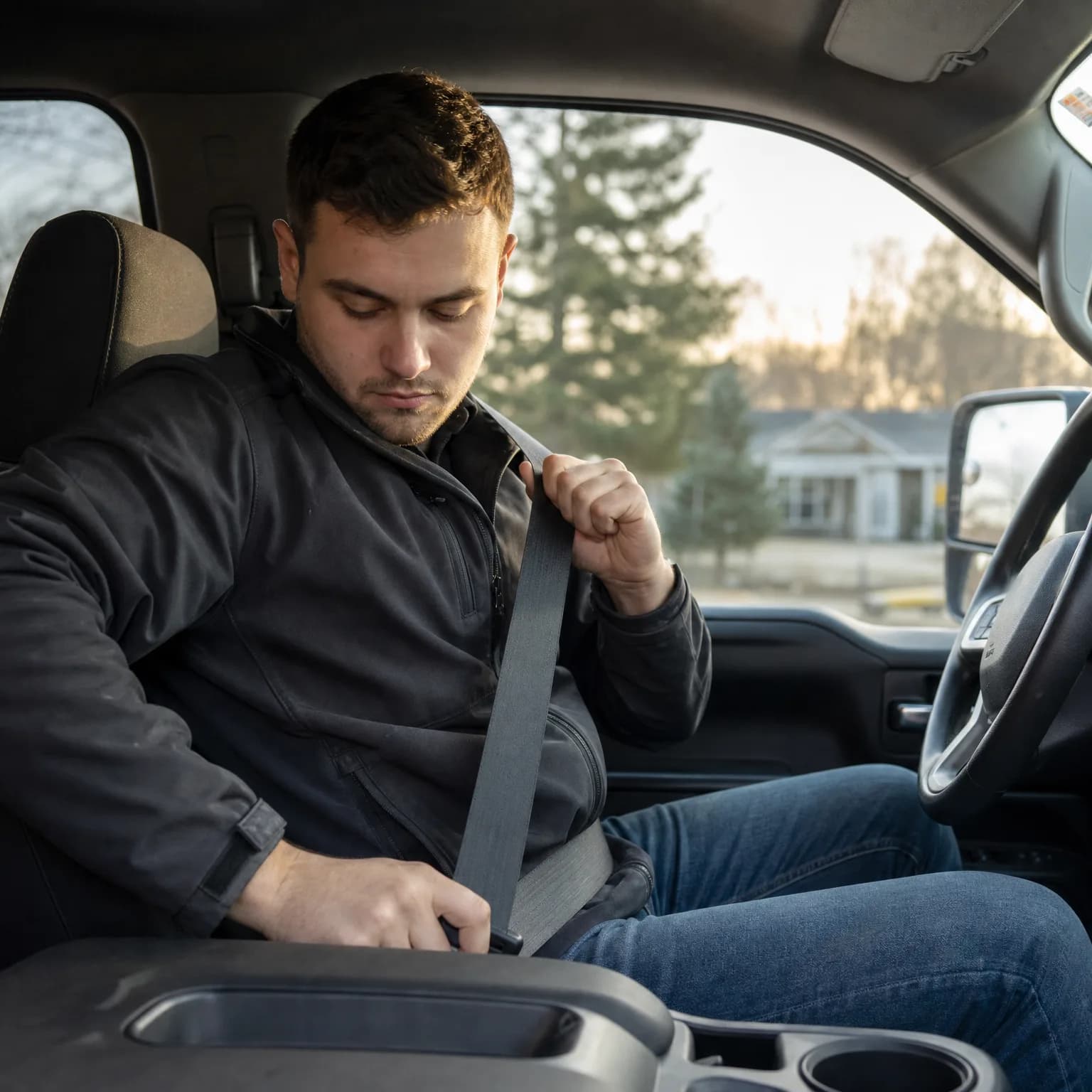
Driving record and age are the next largest factors. A household with a teen driver or a driver with a recent violation pays more per vehicle than a household with clean records. Maryland observed a seat-belt use rate of 92.7 percent in 2022 and a traffic fatality rate of 1.08 per 100 million vehicle miles traveled. Carriers price those risks into every policy, and the effect compounds when you add a second or third vehicle.
Coverage level determines the floor. Maryland's minimum liability limits—$30,000/$60,000/$15,000—are the legal floor, but most lenders require collision and comprehensive when you finance a vehicle. Full coverage costs more than minimum coverage, and the gap widens as vehicle value rises. A household insuring three financed vehicles pays significantly more than a household insuring three older cars with liability only.
16.9%
Maryland Uninsured Motorist Rate
Nearly one in six Maryland drivers operates without insurance, based on 2023 data. That risk drives up the cost of uninsured motorist coverage, which Maryland mandates on every policy. Multi-car households pay this cost per policy, not per vehicle, which is one reason consolidating vehicles on one policy lowers total cost.
Insurance Research Council

When Combining Policies Raises Cost Instead of Lowering It
Combining policies after marriage or a household move sometimes raises the total premium instead of lowering it. The cause is usually a rating factor that travels with one of the vehicles: a recent violation on one spouse's record, a high-value vehicle that wasn't on the original policy, or a young driver who wasn't rated into the original premium. The multi-car discount applies, but the new rating factor offsets it.
The second cause is loss of a prior discount. If one spouse had a good-student discount, a low-mileage discount, or a paid-in-full discount on their original policy, combining policies may eliminate that discount if the new household doesn't qualify. The multi-car discount replaces it, but the net effect can be a higher total premium. Ask the carrier to itemize every discount on both original policies and confirm which ones carry over to the combined policy.
Compare Carriers That Write Multi-Car Policies in Maryland
Maryland's carrier roster includes 27 companies writing auto insurance in the state. Not all of them offer competitive multi-car discounts, and not all of them write policies for households with three or more vehicles. Carriers that specialize in multi-car households include State Farm, Geico, Progressive, Allstate, and Nationwide. Each structures the multi-car discount differently: some apply it as a percentage off the total premium, others apply it per vehicle after the first.
Request quotes from at least three carriers, and ask each one to break down the per-vehicle cost and the multi-car discount amount. Compare the total premium, not just the per-vehicle figure—a smaller discount on a lower base rate can beat a larger discount on a higher one. Verify that the quote includes Maryland's mandatory coverages: personal injury protection and uninsured motorist coverage. Some carriers quote minimum liability only and add the mandatory coverages later, which raises the final premium above the initial quote.
How to Structure Coverage Across Multiple Vehicles
Start by confirming that every vehicle you want to combine is garaged at the same address and titled to a member of the same household. If both conditions are met, request a quote for all vehicles on one policy. Compare the total premium to the sum of your current separate policies. The combined policy should show a lower per-vehicle cost. If it doesn't, ask the carrier why—there may be a rating factor (a young driver, a recent violation, or a high-value vehicle) that offsets the multi-car discount.
If one vehicle is garaged elsewhere or titled to someone outside the household, ask the carrier whether adding it to your policy is even possible, and whether doing so preserves the multi-car discount for the other vehicles. Some carriers allow it with restrictions; others require separate policies. When separate policies are required, compare the total cost of two policies (one multi-car, one single-car) against the cost of keeping all vehicles separate. The math often favors partial consolidation over full separation.
Get Your Free Quote
Get My Maryland Car Insurance QuoteFrequently Asked Questions
What is the average cost of car insurance in Maryland for two cars?
Maryland drivers pay an average of $856.28 per year per insured vehicle. A household insuring two cars on one policy typically pays less per vehicle than that average when both vehicles qualify for the multi-car discount. The total cost depends on coverage level, driving records, vehicle values, and whether both cars are garaged at the same address.
Does combining car insurance policies in Maryland always save money?
Combining policies usually lowers the per-vehicle cost, but not always. If one vehicle brings a rating factor—a recent violation, a young driver, or a high-value car—the multi-car discount may not offset the added risk. Ask the carrier to itemize the discount and compare the combined premium to the sum of your current separate policies.
What is Maryland's minimum car insurance requirement?
Maryland requires $30,000 bodily injury per person, $60,000 bodily injury per accident, and $15,000 property damage. The state also mandates personal injury protection and uninsured motorist coverage. These minimums apply to every vehicle on your policy.
Can I insure two cars on one policy if they are garaged at different addresses in Maryland?
Some carriers allow it, but many require all vehicles on a multi-car policy to be garaged at the same address to qualify for the multi-car discount. If the vehicles are garaged separately, you may need separate policies, or the discount may not apply. Ask your carrier before adding the second vehicle.
How does Maryland's uninsured motorist rate affect my premium?
Maryland's uninsured motorist rate is 16.9 percent, meaning nearly one in six drivers operates without insurance. The state mandates uninsured motorist coverage on every policy, and that cost is built into your premium. Multi-car households pay this cost per policy, not per vehicle, which is one reason consolidating vehicles on one policy lowers total cost.
Which carriers in Maryland offer the best multi-car discounts?
State Farm, Geico, Progressive, Allstate, and Nationwide all write multi-car policies in Maryland and structure the discount differently. Request quotes from at least three carriers and compare the total premium, not just the per-vehicle figure. A smaller discount on a lower base rate can beat a larger discount on a higher one.