
High-Risk Multi-Car Insurance — Maryland
Free to compare
When Standard Carriers Won't Write Your Second Car
You added a second vehicle to your policy after a DUI or major violation, and your carrier either refused to add it or quoted you a separate policy at a rate that makes no sense. The multi-car discount you expected disappeared, and you're now comparing two separate policies from two different carriers because the first carrier won't touch the second vehicle. This is the structural reality of Maryland's high-risk market: carriers that write after violations often do not write multi-vehicle policies the same way standard-tier carriers do.
Standard-tier carriers bundle vehicles on one policy and apply a multi-car discount automatically. Non-standard and high-risk carriers frequently underwrite each vehicle separately, even when both cars belong to the same household. Some will write only one vehicle per policy. Others will combine vehicles but price each one independently, eliminating the discount structure entirely. The result is a household paying for two policies when they expected one, or paying a combined premium that reflects no multi-vehicle savings.
“Non-standard carriers underwrite risk vehicle by vehicle, not household by household, and price each car independently rather than pooling risk.”

Meet Maryland's Requirements Without Overpaying
Get My Maryland Car Insurance Quote$30,000/$60,000/$15,000
Maryland Minimum Liability
Maryland requires $30,000 bodily injury per person, $60,000 per accident, and $15,000 property damage. Every vehicle you insure must meet these minimums, and high-risk carriers price each vehicle's liability coverage separately rather than pooling risk across the household.
Maryland Insurance Administration
Why Non-Standard Carriers Structure Multi-Car Policies Differently
Non-standard carriers underwrite risk vehicle by vehicle, not household by household. A standard-tier carrier looks at your household's total exposure and applies a discount when you add a second car because the administrative cost per vehicle drops. A non-standard carrier looks at each vehicle as a separate risk event tied to your violation history, and prices each one independently. The second vehicle does not reduce the carrier's per-vehicle cost; it increases total exposure.
This structure shows up in three ways. First, some carriers will write only one vehicle per policy and require you to place the second vehicle with a different carrier or on a separate policy. Second, some will write both vehicles on one policy but price each vehicle at its full individual rate with no multi-car discount applied. Third, some will write both vehicles but require separate underwriting for each, meaning the second vehicle may be declined even when the first was approved.
The outcome depends on which carrier you approach and what their underwriting guidelines allow. Maryland's high-risk carrier roster includes both standard-tier carriers that write after violations and true non-standard specialists. The standard-tier carriers writing high-risk policies typically preserve multi-car discounts. The non-standard specialists typically do not.
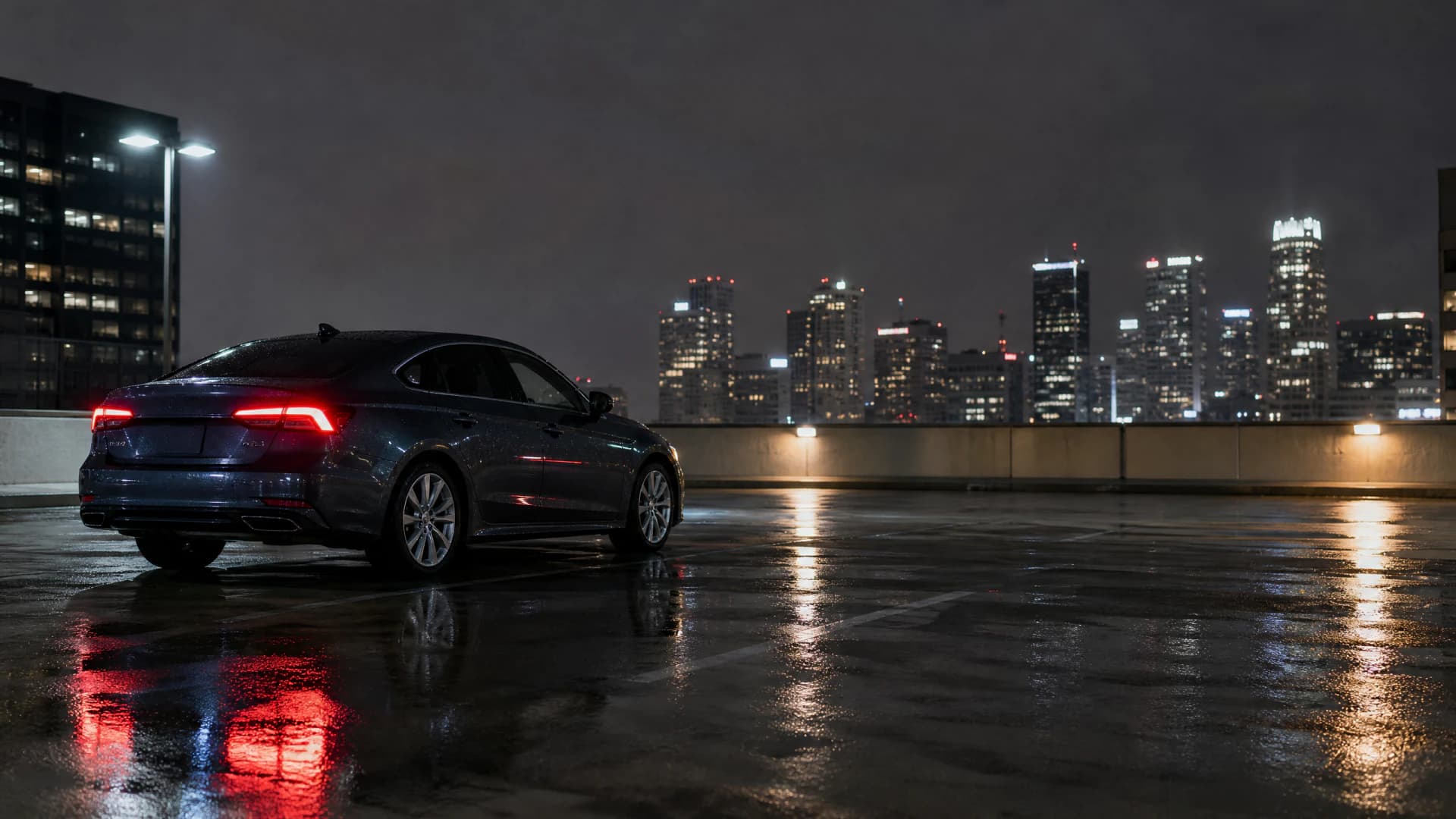
Non-standard carriers price each vehicle independently. The multi-car discount you expect from a standard-tier carrier does not transfer to the high-risk market.
Related Articles


How to Structure Coverage Across Multiple Vehicles After a Violation
Start by determining whether your current carrier will add the second vehicle to your existing policy. If you already have one vehicle insured after a violation, contact your carrier before shopping elsewhere. Standard-tier carriers like Progressive and Geico typically allow you to add a second vehicle mid-term, and the multi-car discount applies automatically. The violation surcharge affects your base rate, but the policy structure does not change.
If your current carrier declines to add the second vehicle or quotes a separate policy, compare standard-tier carriers that write high-risk policies before moving to non-standard specialists. Progressive, Geico, State Farm, and Nationwide all write after violations and all allow multiple vehicles on one policy. Request quotes from each carrier for both vehicles combined on one policy. Compare the combined premium to the cost of two separate policies from non-standard carriers.
When standard-tier carriers decline both vehicles, non-standard specialists become the fallback. Bristol West and Dairyland write multiple vehicles but price each one independently. The General and GAINSCO often require separate policies per vehicle. In this scenario, you are comparing the cost of two separate policies rather than one combined policy. The multi-car discount does not exist in this structure, so focus on the total combined premium across both policies rather than expecting a per-vehicle discount.
Maryland requires proof of insurance for every registered vehicle. If you own two cars, both must carry at least the state minimum liability limits: $30,000 bodily injury per person, $60,000 per accident, and $15,000 property damage. Whether you insure both vehicles on one policy or two separate policies, each vehicle must meet these minimums independently. The MVA does not distinguish between combined and separate policies when verifying coverage at registration or after a lapse.
16.9%
Maryland Uninsured Motorist Rate
16.9% of Maryland drivers carry no insurance. Uninsured motorist coverage protects you when the other driver has no policy, and it applies to every vehicle on your policy. High-risk carriers often require UM coverage as a condition of writing the policy, even when Maryland law makes it optional.
Insurance Research Council, 2023
When Combining Policies Costs More Than Keeping Them Separate
A combined multi-car policy is not always cheaper than two separate policies, especially in the high-risk market. Standard-tier carriers apply a multi-car discount that typically reduces the combined premium below the cost of two separate policies. Non-standard carriers price each vehicle independently, and combining them on one policy may produce a higher total premium than insuring each vehicle separately with different carriers.
This happens because non-standard carriers underwrite each vehicle as a separate risk event. When both vehicles sit on one policy, the carrier's total exposure increases, and the combined premium reflects that increased exposure. When the vehicles sit on separate policies with different carriers, each carrier underwrites only one vehicle and prices it accordingly. The result is two separate premiums that together cost less than one combined premium from a single non-standard carrier.
Compare Carriers That Write Your Household's Vehicles
The cheapest structure for your household depends on which carriers will write both vehicles and how they price multi-car policies. Standard-tier carriers that write after violations typically offer the best combined premium because they preserve the multi-car discount. Non-standard specialists offer the fallback when standard-tier carriers decline, but their per-vehicle pricing often makes two separate policies cheaper than one combined policy. Request quotes from both standard-tier and non-standard carriers, compare the combined premium for one policy against the total cost of two separate policies, and choose the structure that produces the lowest total household cost. Maryland's carrier roster includes both options; the right choice depends on your violation history, the vehicles you own, and which carriers will write your household.
Which Maryland Carriers Write Multi-Car Policies for High-Risk Drivers
Standard-tier carriers writing high-risk policies include Progressive, Geico, State Farm, and Nationwide. These carriers underwrite violations but preserve the multi-car policy structure: you add a second vehicle to your existing policy, and the carrier applies a discount or at minimum prices both vehicles on one combined policy. The violation surcharge applies to your base rate, but the multi-vehicle structure remains intact. Progressive and Geico both write SR-22 filings and allow multiple vehicles on the same policy after a DUI or major violation.
Non-standard specialists include Bristol West, Dairyland, The General, National General, and GAINSCO. These carriers focus exclusively on high-risk drivers and structure policies vehicle by vehicle. Bristol West and Dairyland will write multiple vehicles, but each vehicle is underwritten separately and priced at its individual rate. The General and GAINSCO often require separate policies per vehicle. If you own two cars and both need coverage after a violation, you may end up with two policies from two different non-standard carriers rather than one combined household policy.
Get Your Free Quote
Get My Maryland Car Insurance QuoteFrequently Asked Questions
Can I get a multi-car discount after a DUI in Maryland?
Standard-tier carriers like Progressive, Geico, and State Farm write after DUI convictions and typically preserve the multi-car discount when you add a second vehicle. Non-standard specialists like Bristol West and Dairyland price each vehicle independently and do not apply a multi-car discount. The discount depends on which carrier writes your policy.
Do I need separate policies for each car after a violation?
Not necessarily. Standard-tier carriers that write high-risk policies allow multiple vehicles on one policy. Non-standard specialists often require separate policies per vehicle or price each vehicle independently even when combined on one policy. Whether you need separate policies depends on which carrier underwrites your household.
Which Maryland carriers write multi-car policies for high-risk drivers?
Progressive, Geico, State Farm, and Nationwide write multi-car policies after violations and apply standard multi-vehicle discounts. Bristol West and Dairyland write multiple vehicles but price each one separately. The General and GAINSCO often require separate policies per vehicle.
Is it cheaper to combine both cars on one policy or keep them separate after a violation?
Standard-tier carriers typically make one combined policy cheaper because they apply a multi-car discount. Non-standard carriers price each vehicle independently, and two separate policies with different carriers may cost less than one combined policy. Compare both structures before deciding.
What happens if my carrier won't add my second car after a DUI?
Request quotes from other standard-tier carriers that write after violations, including Progressive and Geico. If standard-tier carriers decline, compare non-standard specialists like Bristol West and Dairyland. You may need to place each vehicle with a different carrier on separate policies.
Does Maryland require the same coverage on both vehicles?
Maryland requires every registered vehicle to carry at least $30,000 bodily injury per person, $60,000 per accident, and $15,000 property damage. Both vehicles must meet these minimums whether they sit on one combined policy or two separate policies.