
Multi-Car Insurance for Clean-Record Drivers — Maryland
Free to compare
When Adding a Second Vehicle Doesn't Trigger the Discount
You bought a second car, called your carrier to add it, and expected the multi-car discount to appear on your next bill. Instead, the premium went up by nearly the full cost of insuring the second vehicle separately. The discount didn't trigger because the second car is titled to a household member who maintains a separate policy, or because it's garaged at a different address. Maryland carriers require every vehicle receiving the multi-car discount to sit on the same policy and, in most cases, share a primary garaging address.
The multi-car discount is not automatic. It applies only when the policy structure meets the carrier's same-policy and address requirements. A household with three vehicles split across two policies—one for the primary driver's two cars, one for a spouse's car—pays for three vehicles but receives no multi-car discount on any of them. Combining all three onto one policy changes the math immediately.
“A vehicle titled to someone outside your household may not qualify for the multi-car discount even when listed on your policy.”

Meet Maryland's Requirements Without Overpaying
Get My Maryland Car Insurance Quote$30,000/$60,000/$15,000
Maryland Minimum Liability
Maryland requires $30,000 bodily injury per person, $60,000 bodily injury per accident, and $15,000 property damage per vehicle. Every vehicle on your multi-car policy must carry at least these limits; the discount applies after the base premium is calculated.
Maryland Insurance Administration
Same-Policy Requirement and Garaging Address
The multi-car discount requires every vehicle to appear on the same auto insurance policy. A household with two policies—even if both are with the same carrier—does not qualify. The discount calculation runs at the policy level, not the account level. Combining two existing policies into one triggers the discount for every vehicle on the newly combined policy.
Most Maryland carriers also require every vehicle receiving the discount to share a primary garaging address. A car garaged at a vacation property or a college student's out-of-state apartment may not qualify, even if it's titled to a household member and listed on the same policy. Carriers verify garaging addresses at quote time and again at renewal. A vehicle with a different garaging zip code may be rated separately, with no multi-car discount applied.
When a household member moves in with a car titled in their name, adding that vehicle to your existing policy satisfies the same-policy requirement. If the car is garaged at your address, the multi-car discount applies to all vehicles on the policy. If the car remains garaged elsewhere, ask the carrier whether the discount still triggers—some carriers allow it, others do not.
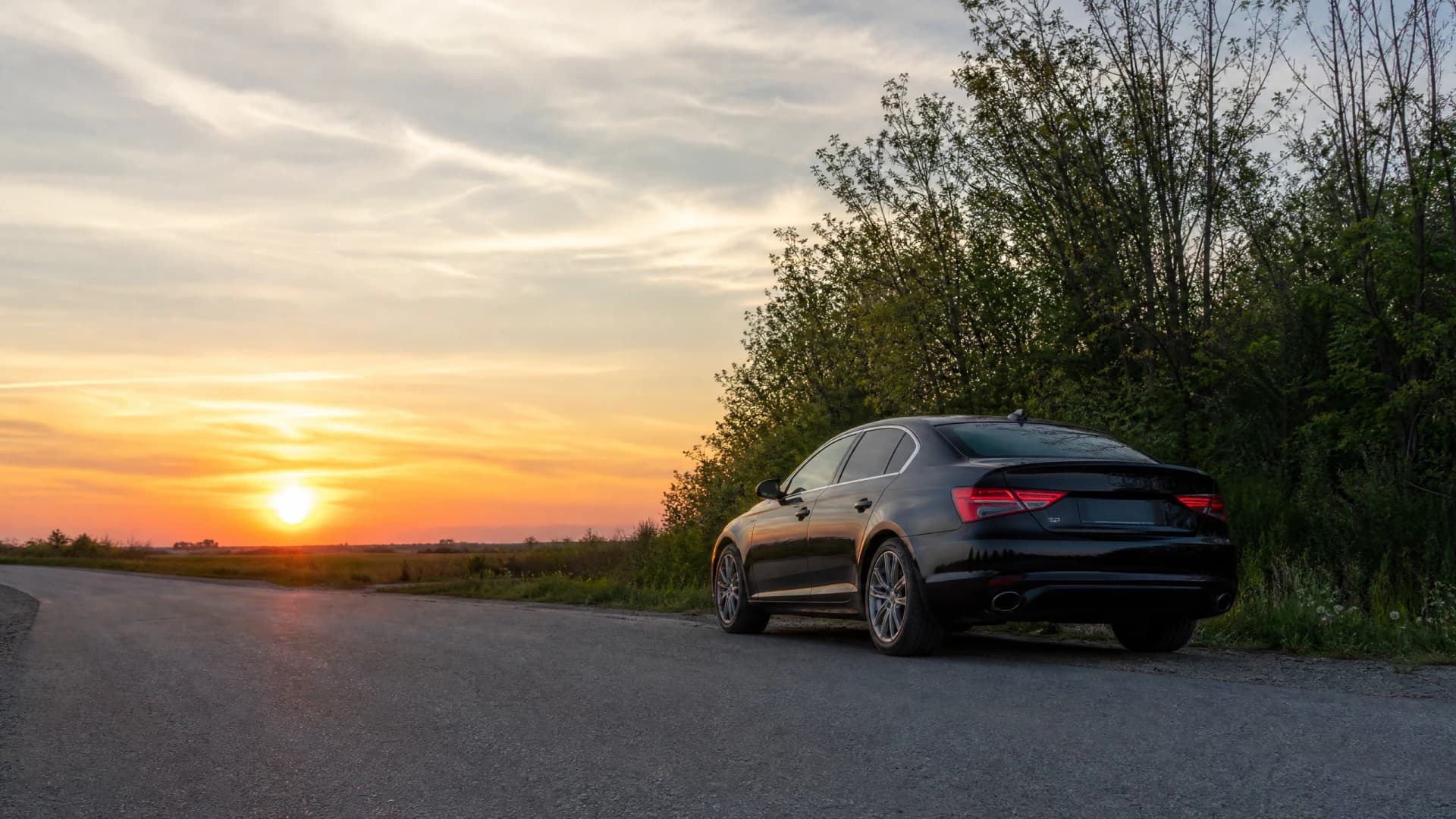
A vehicle titled to someone outside your household, or garaged at a different address, may not qualify for the multi-car discount even when listed on your policy.
Related Articles




Which Maryland Carriers Write Multi-Car Policies for Clean Records
Maryland households with clean driving records have access to the full carrier roster. Allstate, Geico, Progressive, State Farm, Travelers, USAA, Nationwide, Liberty Mutual, and Erie all write multi-car policies in Maryland and offer multi-car discounts. USAA restricts eligibility to military members, veterans, and their families. Erie operates through independent agents and does not offer online quotes.
Carriers in the preferred and standard tiers—State Farm, Geico, Allstate, Travelers, USAA, Nationwide, Liberty Mutual—typically offer the most competitive rates for clean-record households. Non-standard carriers such as Bristol West, Dairyland, and The General write multi-car policies but focus on high-risk drivers and charge higher base premiums. A clean-record household comparing quotes should start with preferred and standard carriers.
Some carriers allow online quoting for multi-car policies; others require a phone call or an agent. Geico, Progressive, State Farm, and Allstate offer online multi-car quotes. Erie, USAA, and Travelers require agent or phone contact. When comparing carriers, request quotes for all vehicles on one policy to see the multi-car discount applied consistently.
27 carriers
Maryland Licensed Auto Carriers
Maryland licenses 27 auto insurance carriers writing personal auto policies statewide. Clean-record households qualify for preferred and standard tiers, which typically offer lower base rates than non-standard carriers.
Maryland Insurance Administration

Adding a Vehicle Mid-Term and How It Re-Rates the Policy
Adding a vehicle to an existing multi-car policy mid-term does not simply add a flat amount to your premium. The carrier re-rates the entire policy, recalculating the base premium for every vehicle and applying the multi-car discount to the new total. If the newly added vehicle is a higher-risk model—a sports car, a luxury vehicle, or a model with high theft rates—the re-rating can increase the premium for all vehicles on the policy, not just the new one.
Maryland carriers provide a grace period during which a newly purchased vehicle is covered under your existing policy without being formally added. The grace period is typically 14 to 30 days, depending on the carrier. You must notify the carrier and add the vehicle within that window. If you miss the grace period and file a claim on the unreported vehicle, the carrier may deny the claim. Adding the vehicle on time ensures continuous coverage and locks in the multi-car discount for all vehicles.
Compare Carriers That Write Your Household's Vehicles
The multi-car discount is real, but the final premium depends on each carrier's base rate for your specific vehicles, your garaging address, and your household's drivers. A carrier offering a large multi-car discount may still cost more than a carrier with a smaller discount and a lower base rate. The only way to know which carrier costs less is to compare quoted premiums with all vehicles on one policy.
Maryland requires every vehicle to carry at least $30,000/$60,000/$15,000 liability, plus personal injury protection and uninsured motorist coverage. When comparing quotes, confirm that every vehicle on the policy meets these minimums. Carriers that write full coverage for multiple vehicles in Maryland include collision and comprehensive on top of the state-required minimums. If you finance or lease any vehicle on the policy, the lender requires full coverage on that vehicle.
How Carriers Calculate the Multi-Car Discount
Maryland carriers calculate the base premium for each vehicle individually, factoring in the vehicle's make, model, year, garaging zip code, and the primary driver's age and driving record. The multi-car discount then reduces each vehicle's base premium by a percentage. The discount applies to every vehicle on the policy, not just the second or third car. A household with three vehicles receives the discount on all three.
Because the discount is a percentage of the base premium, the total savings depend on what each carrier charges before the discount. A carrier with a higher base rate but a larger discount percentage may cost more than a carrier with a lower base rate and a smaller discount. Comparing the final quoted premium across carriers—after the multi-car discount is applied—shows which carrier actually costs less for your household's specific vehicles and drivers.
Get Your Free Quote
Get My Maryland Car Insurance QuoteFrequently Asked Questions
Does the multi-car discount apply if I have two policies with the same carrier?
No. The multi-car discount requires every vehicle to appear on the same policy. Two separate policies with the same carrier do not qualify. Combining both policies into one triggers the discount for all vehicles on the newly combined policy.
Can I get the multi-car discount if one car is garaged at a different address?
It depends on the carrier. Most Maryland carriers require every vehicle receiving the multi-car discount to share a primary garaging address. A car garaged at a vacation property or a college student's apartment may not qualify, even if it's on the same policy. Ask your carrier whether the discount applies when garaging addresses differ.
How much does the multi-car discount save in Maryland?
The discount percentage varies by carrier. A smaller discount on a lower base rate can cost less than a larger discount on a higher one. The only way to know which carrier costs less is to compare final quoted premiums with all your vehicles on one policy.
What happens if I add a third vehicle to my two-car policy mid-term?
The carrier re-rates the entire policy, recalculating the base premium for all three vehicles and applying the multi-car discount to the new total. If the newly added vehicle is a higher-risk model, the re-rating can increase the premium for all vehicles, not just the new one.
Do I need full coverage on every vehicle to get the multi-car discount?
No. The multi-car discount applies regardless of coverage level. Every vehicle must carry Maryland's minimum liability limits, but you can choose collision and comprehensive on a per-vehicle basis. Financed or leased vehicles require full coverage; owned vehicles do not.
Which Maryland carriers offer the best multi-car discount for clean records?
State Farm, Geico, Allstate, Travelers, USAA, Nationwide, and Liberty Mutual all write multi-car policies for clean-record households in Maryland. The carrier with the lowest final premium depends on your specific vehicles, garaging address, and drivers. Compare quotes with all vehicles on one policy to see which carrier costs less.