
Collision Coverage for Multi-Car Households — Maryland
Free to compare
The Multi-Vehicle Collision Decision
You carry a Maryland auto policy covering two, three, or four vehicles. The carrier quoted collision coverage on every car when you combined them onto one policy. Now you need to decide whether to keep collision on all of them, drop it from the older or lower-value vehicles, or remove it entirely. The choice is not obvious: dropping collision from one vehicle changes the policy's structure and can shift premium across the remaining cars in ways the original quote did not show.
Maryland registered 4,919,054 motor vehicles in 2022, and households insuring multiple cars face a per-vehicle coverage decision that single-car policies never encounter. Collision coverage pays to repair or replace your vehicle after an accident regardless of fault, minus your deductible. On a multi-car policy, each vehicle can carry different collision elections — full coverage on the daily driver, liability-only on the older sedan — but the carrier re-rates the entire policy when you change any vehicle's coverage mid-term, not just the one you modified.
“Dropping collision from one vehicle re-rates the entire policy because the carrier recalculates risk across all cars when coverage structure changes.”

Meet Maryland's Requirements Without Overpaying
Get My Maryland Car Insurance Quote$30,000 / $60,000 / $15,000
Maryland Minimum Liability
Maryland requires $30,000 bodily injury per person, $60,000 per accident, and $15,000 property damage. These minimums apply to every vehicle on your policy, but collision coverage is optional and priced separately per car.
Maryland Insurance Administration
What Collision Covers on a Multi-Car Policy
Collision coverage pays to repair your vehicle after it hits another car, a fixed object, or rolls over, regardless of who caused the accident. The carrier pays up to the vehicle's actual cash value minus your deductible. On a policy covering multiple vehicles, collision applies only to the cars you elected it for: if you carry collision on two vehicles and liability-only on a third, only the two with collision receive claim payments for their own damage.
Maryland does not mandate collision coverage. The state requires liability, personal injury protection, and uninsured motorist coverage, but collision is optional. Lienholders and lessors require it as a loan condition, so financed vehicles almost always carry collision until the loan is paid. Owned vehicles have no such requirement, and households drop collision when the vehicle's value falls below the point where annual premium exceeds realistic claim recovery.
Deductibles are discrete products, not ranges. A lower deductible raises your premium; a higher deductible lowers it. On a multi-car policy, each vehicle can carry a different deductible, and mixing deductibles across cars is common when one vehicle is newer or higher-value than the others.
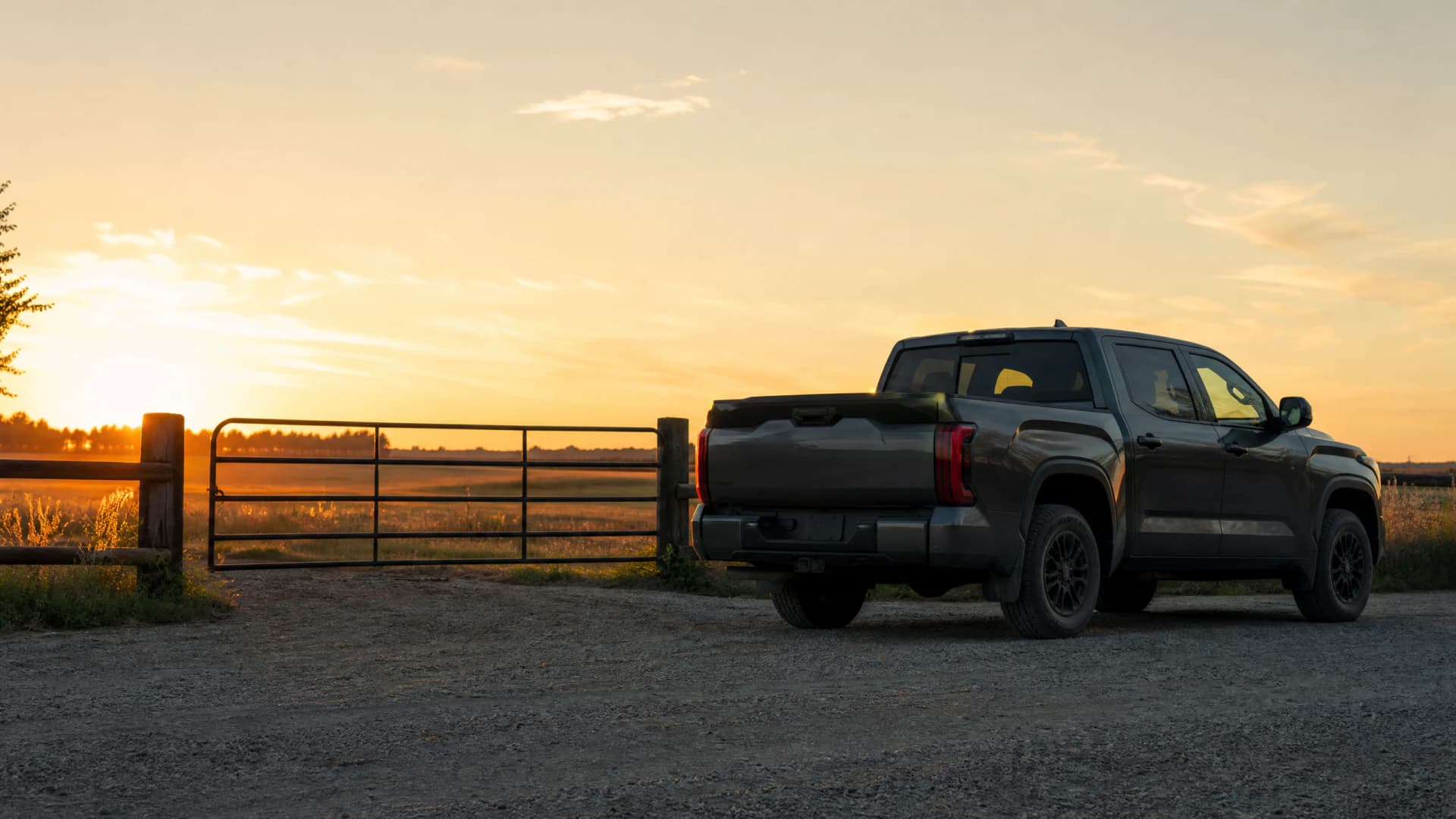
Dropping collision from one vehicle on a multi-car policy re-rates the entire policy, not just that vehicle's line, because the carrier recalculates risk across all cars and drivers when coverage structure changes.
Related Articles



How Dropping Collision Re-Rates Your Policy
Removing collision from one vehicle does not simply subtract that vehicle's collision premium from your total. The carrier re-rates the entire policy because your household's aggregate risk profile changed: fewer vehicles carry physical-damage coverage, the policy's total insured value dropped, and the multi-car discount calculation adjusts to reflect the new coverage structure. The result is a new premium for every vehicle on the policy, not just the one you modified.
Maryland households adding or removing coverage mid-term trigger a policy re-rate effective the date of the change. The carrier recalculates premium for the remainder of the term and issues an endorsement with the new amount. If you drop collision on your third vehicle halfway through a six-month term, the carrier re-rates all three vehicles for the remaining three months, applies the multi-car discount to the new structure, and either refunds the difference or bills the additional amount depending on how the numbers move.
The re-rate can produce unexpected outcomes. Dropping collision on a low-value vehicle sometimes raises premium on the remaining cars because the policy's total insured value fell and the carrier's rate tier shifted. More commonly, removing collision lowers total premium but by less than the original collision line-item suggested, because the multi-car discount percentage recalculates and the base rate for the remaining vehicles adjusts. Request a re-quote before making the change so you see the actual new premium, not an estimate based on subtracting one line.
16.9%
Maryland Uninsured Motorist Rate
16.9% of Maryland motorists drove uninsured in 2023. Collision coverage protects you when an at-fault uninsured driver totals your car and you cannot recover from them, but uninsured motorist property damage is the primary coverage for that scenario in Maryland.
Insurance Research Council, 2023

Structuring Collision Across Multiple Vehicles
Households typically keep collision on financed vehicles, newer vehicles, and any car whose replacement would strain the household budget. Older paid-off vehicles, rarely-driven cars, and vehicles worth less than ten times annual collision premium are common candidates for liability-only coverage. The structure is not all-or-nothing: a three-car household might carry full coverage on two vehicles and liability-only on the third, and the carrier prices that mixed structure as one policy with one multi-car discount applied across all three.
Maryland carriers writing multi-car policies include Allstate, Geico, Progressive, State Farm, Travelers, USAA, Nationwide, Erie, Farmers, and Liberty Mutual. Each prices collision differently, and the gap between carriers widens on multi-car policies because the multi-car discount percentage, the base rate per vehicle, and the way collision deductibles interact with the discount all vary by carrier. A household comparing collision elections should compare the same coverage structure across at least three carriers to see which combination of base rate and discount produces the lowest total premium for their specific vehicle mix.
Compare Collision Structures Now
You now understand that collision is a per-vehicle decision on a Maryland multi-car policy, that dropping coverage from one car re-rates the entire policy rather than simply removing that vehicle's line, and that the breakeven threshold is roughly ten times annual premium to vehicle value. The next step is to compare what your household's actual premium looks like under different collision structures: full coverage on all vehicles, collision on financed cars only, or liability-only across the board. Enter your household's vehicles and coverage preferences into the comparison tool to see which carriers offer the structure that fits your risk tolerance and budget.
When to Keep Collision on Each Vehicle
Apply the threshold per vehicle. Below that threshold, you are paying a significant fraction of the vehicle's value each year for coverage that pays at most the vehicle's depreciated worth minus deductible. Many households drop collision at this point and self-insure the older car's physical damage risk.
Lienholders override the threshold. Any vehicle with an outstanding loan or lease requires collision and comprehensive as a condition of financing. The lender is named on the policy, and the carrier will not remove collision until you provide a lien release. On a multi-car Maryland policy, this means your financed vehicles carry collision by contract, and only your owned vehicles present a choice. Households commonly run full coverage on financed cars and liability-only on paid-off vehicles, creating a mixed-coverage structure the carrier prices as one integrated policy.
Get Your Free Quote
Get My Maryland Car Insurance QuoteFrequently Asked Questions
Can I carry collision on some vehicles and not others on the same Maryland policy?
Yes. Maryland multi-car policies allow you to elect collision per vehicle. Households commonly carry full coverage on financed or newer cars and liability-only on older owned vehicles. The carrier prices the mixed structure as one policy with one multi-car discount applied across all vehicles.
Does dropping collision from one car lower my total premium by that vehicle's collision cost?
No. Removing collision from one vehicle re-rates the entire policy, not just that vehicle's line. The carrier recalculates premium for all vehicles, adjusts the multi-car discount, and issues a new total. The reduction is typically less than the original collision line-item because the policy's structure changed.
What deductible should I choose for collision on a multi-car policy?
Choose $500 or $1,000 based on how much you can pay out-of-pocket after an accident. A $1,000 deductible lowers premium; a $500 deductible raises it. On a multi-car policy, each vehicle can carry a different deductible, and mixing deductibles is common when one car is newer or higher-value.
Do I need collision if another driver hits my parked car in Maryland?
Collision pays to repair your car after any impact regardless of fault, including a hit-and-run or an at-fault uninsured driver. If the other driver is identified and insured, their property damage liability pays your repair. Collision covers you when the at-fault driver cannot be found or lacks insurance.
Can I add collision to one vehicle mid-term on a Maryland multi-car policy?
Yes. Contact your carrier to add collision to any vehicle on your policy. The carrier re-rates the entire policy effective the date you add coverage, recalculates the multi-car discount, and bills the additional premium for the remainder of the term.
Does Maryland require collision coverage on leased vehicles?
Maryland does not require collision by law, but your lease contract does. Lessors require collision and comprehensive as a lease condition and are named on the policy. You cannot remove collision from a leased vehicle until the lease ends and you return the car or buy it out.