
Cheaper Auto Insurance — Maryland
Free to compare
The Multi-Vehicle Premium Problem
You insure two or more cars in Maryland and the combined premium feels steep. You've compared quotes, but the numbers stay high. The issue isn't the carriers you're calling — it's how you're structuring the policies.
Most Maryland households approach multi-vehicle insurance as a per-car problem: quote each vehicle separately, add them up, pick the lowest total. Carriers don't price that way. They price around policy architecture — how many vehicles sit on one policy, whether every driver in the household is rated on the same contract, and whether the vehicles share a garaging address. Miss that structure and you pay more, even with the same carrier.
“If your vehicles sit on separate policies, you're paying two single-car rates — the multi-car discount applies only when every vehicle sits on one contract.”

Meet Maryland's Requirements Without Overpaying
Get My Maryland Car Insurance Quote$856.28
Maryland Average Annual Auto Expenditure Per Vehicle
This is the average annual expenditure per insured vehicle in Maryland as of 2023. Households with multiple vehicles on separate policies often exceed this average; consolidating onto one policy with a multi-car discount typically brings per-vehicle cost below it.
NAIC state insurance statistics, 2023
What the Multi-Car Discount Actually Requires
The multi-car discount isn't automatic when you own multiple vehicles. It applies only when every vehicle sits on the same policy, issued to the same named insured, and typically garaged at the same address. A second car titled to a household member on a different policy doesn't qualify. A vehicle garaged at a different address may not qualify, even if the same person owns both.
Maryland carriers apply the discount at the policy level, not the household level. If you and your spouse each carry separate policies, you're paying two single-car rates. Combine those policies into one contract covering both vehicles and both drivers, and the multi-car discount applies to the entire policy. The savings come from administrative efficiency — one policy, one renewal cycle, one set of underwriting costs — not from loyalty or volume.
The discount structure varies by carrier. Some apply a percentage reduction to each vehicle after the first. Others reduce the base rate before applying coverage selections. A smaller discount on a lower base rate can beat a larger discount on a higher one, which is why comparing carriers after you've structured the policy correctly matters more than chasing the biggest advertised discount percentage.
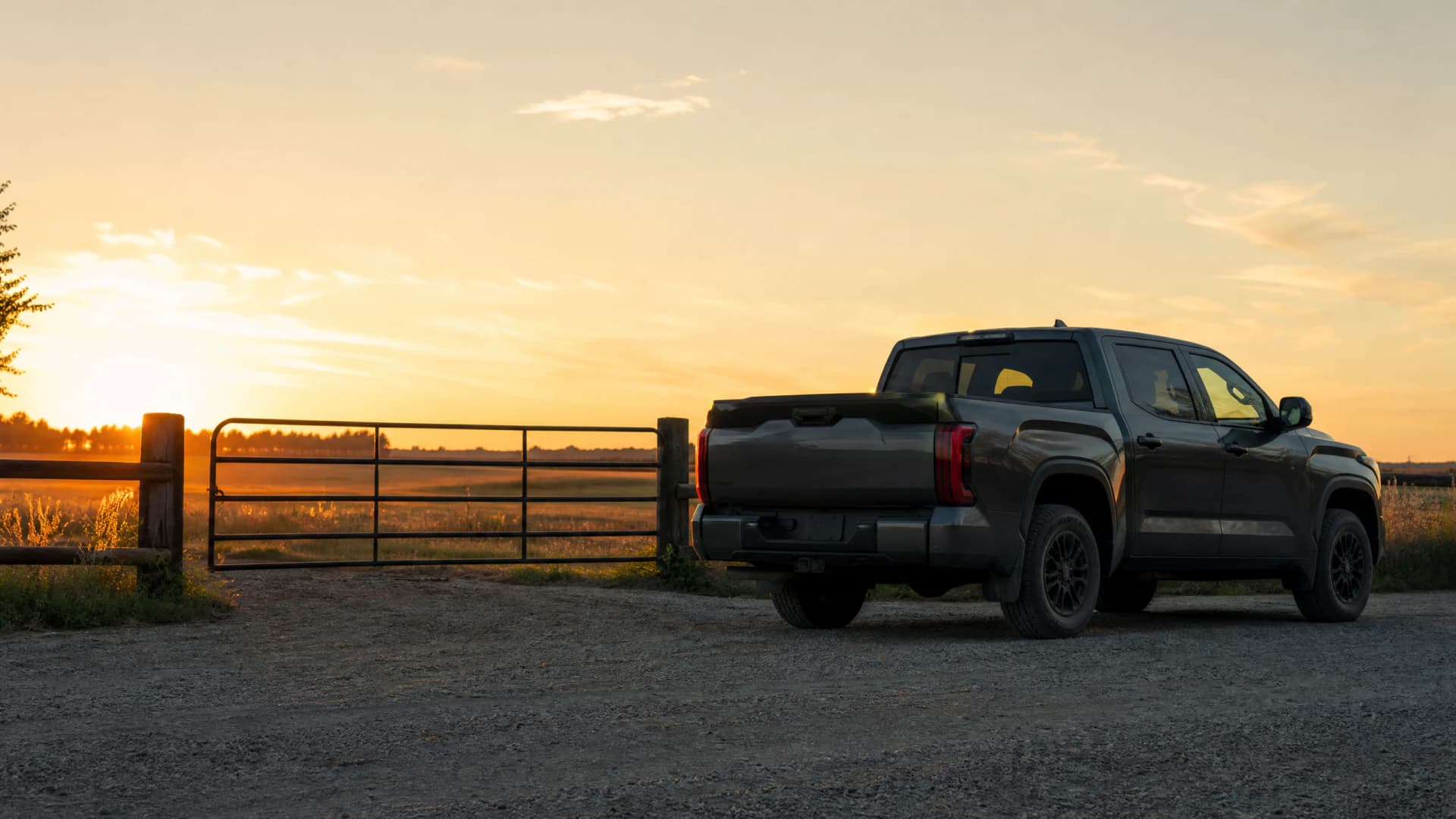
If your vehicles sit on separate policies — even with the same carrier — you're not getting the multi-car discount. Consolidation is structural, not automatic.






When Separate Policies Cost Less
Consolidation doesn't always lower the total premium. A household with one high-risk driver and one clean-record driver may pay less with two separate policies, because the high-risk driver's surcharges don't bleed onto the clean driver's vehicles. A household with a teen driver and two parents may find that putting the teen on a separate policy — titled to the teen, with the parents as excluded drivers — costs less than adding the teen to the family policy and re-rating every vehicle.
Maryland requires uninsured motorist coverage and personal injury protection on every policy. When you split a household across two policies, you're paying for those coverages twice. That duplication can erase the savings from separating a high-risk driver. Run the math both ways: total premium for one consolidated policy versus total premium for two separate policies, including the duplicated UM and PIP costs.
Garaging address also matters. If one vehicle is garaged at a different address — a college student's car at school, a work vehicle parked at a job site — some carriers won't apply the multi-car discount unless both vehicles garage at the same location. Others will, but they'll rate each vehicle for its actual garaging zip code. A car garaged in Baltimore and a car garaged in Cumberland won't price the same, even on one policy.
$30,000 / $60,000 / $15,000
Maryland Minimum Liability Limits
Maryland requires $30,000 bodily injury per person, $60,000 per accident, and $15,000 property damage. Every vehicle on your policy must carry at least these limits.
Maryland Motor Vehicle Administration

Coverage Decisions That Lower Multi-Vehicle Premiums
Once the policy is structured correctly, coverage choices drive the premium. Liability limits apply per vehicle, but raising limits across all vehicles on one policy costs less than raising them on separate policies. Collision and comprehensive are per-vehicle, and older vehicles with low market value often don't justify the premium.
Deductibles matter more on multi-vehicle policies because you're paying them multiple times. Raising deductibles to $1,000 lowers the premium on every vehicle. If you can cover a $1,000 deductible per vehicle from savings, the premium reduction pays for itself in two to three years.
Compare Carriers With the Full Household Picture
Maryland households with multiple vehicles should compare at least three carriers, providing the full household details to each: every vehicle, every driver, one policy. GEICO, State Farm, Progressive, Allstate, Erie, and Nationwide all write multi-car policies in Maryland. Rates vary by how each carrier prices the household's specific risk profile — driver ages, vehicle types, garaging zip codes, and violation history.
Request quotes with identical coverage across all three carriers: same liability limits, same deductibles, same UM and PIP selections. Comparing a $500 deductible quote from one carrier against a $1,000 deductible quote from another tells you nothing. Once you have apples-to-apples quotes, the lowest total premium is the right choice unless one carrier excludes a vehicle or driver your household needs covered.
How to Restructure for the Discount
Contact your current carrier first. Ask whether all household vehicles can move onto one policy under one named insured. Provide the VINs, driver license numbers for every household driver, and the garaging address for each vehicle. The carrier will re-rate the policy as a multi-vehicle contract. If your current carrier won't consolidate — some won't combine vehicles titled to different household members — you'll need to shop carriers that will.
When shopping, request quotes as a multi-vehicle policy from the start. Give every carrier the full household picture: every vehicle, every driver, one policy. Comparing single-vehicle quotes and adding them up produces the wrong number. Carriers that write multi-car policies in Maryland include GEICO, State Farm, Progressive, Allstate, Nationwide, Travelers, and Erie. Not every carrier prices multi-vehicle households the same way; three quotes will show you the range.
Get Your Free Quote
Get My Maryland Car Insurance QuoteFrequently Asked Questions
Does the multi-car discount apply if I own multiple vehicles but only drive one regularly?
Yes, as long as all vehicles sit on the same policy under the same named insured. Carriers apply the discount based on policy structure, not how often you drive each vehicle. You'll still pay for liability, and possibly comprehensive, on the rarely-driven vehicle.
Can I get the multi-car discount if my spouse and I have separate policies with the same carrier?
No. The multi-car discount requires all vehicles on one policy. Two separate policies with the same carrier are priced as two single-car contracts. Consolidate onto one policy to qualify.
Will adding a third vehicle to my Maryland policy raise the premium on the first two cars?
Adding a vehicle re-rates the entire policy. If the third vehicle is high-risk — a sports car, a vehicle with a teen driver — the policy's overall risk profile changes and premiums on all vehicles may increase. If the third vehicle is low-risk, the per-vehicle cost often drops.
Do I need the same coverage on every vehicle on a multi-car policy?
No. Liability limits must meet Maryland minimums on every vehicle, but collision and comprehensive are optional per vehicle. You can carry full coverage on a new car and liability-only on an older one, all on the same policy.
Can I insure vehicles garaged at different Maryland addresses on one policy?
Some carriers allow it; others require all vehicles to garage at the same address to qualify for the multi-car discount. Each vehicle is rated for its actual garaging zip code, so a car in Baltimore and a car in Cumberland will have different premiums even on one policy.
How much does the multi-car discount save in Maryland?
Savings depend on the carrier and the household's risk profile. Consolidating two single-car policies onto one multi-car policy typically reduces the combined premium, but the exact amount varies by carrier, vehicle types, driver ages, and coverage selections. Compare quotes to see the difference.