
Full Coverage Car Insurance Cost — Maryland
Free to compare
What Full Coverage Means for Maryland Households
You're deciding whether to carry full coverage on every car in your Maryland household, or just liability on some. The choice looks straightforward until you realize that full coverage is not a single product: it is Maryland's mandatory liability, PIP, and uninsured motorist coverage plus collision and comprehensive added separately to each vehicle. Every car on your policy gets rated individually for those physical-damage coverages, and the total premium reflects the sum of every vehicle's collision and comprehensive cost on top of the shared liability base.
Maryland law requires $30,000 bodily injury per person, $60,000 per accident, and $15,000 property damage, plus personal injury protection and uninsured motorist coverage on every policy. That is the minimum. Full coverage adds collision (pays for damage to your car in an at-fault crash) and comprehensive (pays for theft, weather, vandalism, animal strikes) to each vehicle you choose to protect. The decision is per car, not per policy, and the cost difference between minimum and full coverage multiplies with every vehicle you add.
“The multi-car discount reduces shared liability cost but does not reduce the per-vehicle collision and comprehensive premiums.”

Meet Maryland's Requirements Without Overpaying
Get My Maryland Car Insurance Quote$30,000/$60,000/$15,000
Maryland Minimum Liability Limits
Maryland requires $30,000 bodily injury per person, $60,000 per accident, and $15,000 property damage on every auto policy, plus mandatory PIP and uninsured motorist coverage. These minimums apply whether you insure one car or five.
Maryland Insurance Administration
How Collision and Comprehensive Get Priced Per Vehicle
Collision and comprehensive premiums are calculated separately for each car based on that vehicle's actual cash value, age, make, model, theft rate, and repair cost. A 2018 sedan and a 2022 SUV on the same Maryland policy will carry different collision and comprehensive premiums even though they share the same liability coverage. The carrier prices physical damage per vehicle, not per policy.
When you add a second or third car with full coverage, the multi-car discount applies to the liability portion of the premium but does not erase the individual collision and comprehensive cost for each vehicle. A household with three cars carrying full coverage pays three separate collision premiums and three separate comprehensive premiums, each calculated from that car's value and risk profile, on top of the discounted shared liability base.
Deductible choices compound the same way. If you choose a $500 collision deductible, that deductible applies per vehicle per incident. A two-car household with $500 deductibles and two at-fault crashes in the same month pays $1,000 out of pocket before the carrier pays anything. Raising the deductible to $1,000 lowers each vehicle's collision premium but doubles your immediate exposure if both cars are damaged.
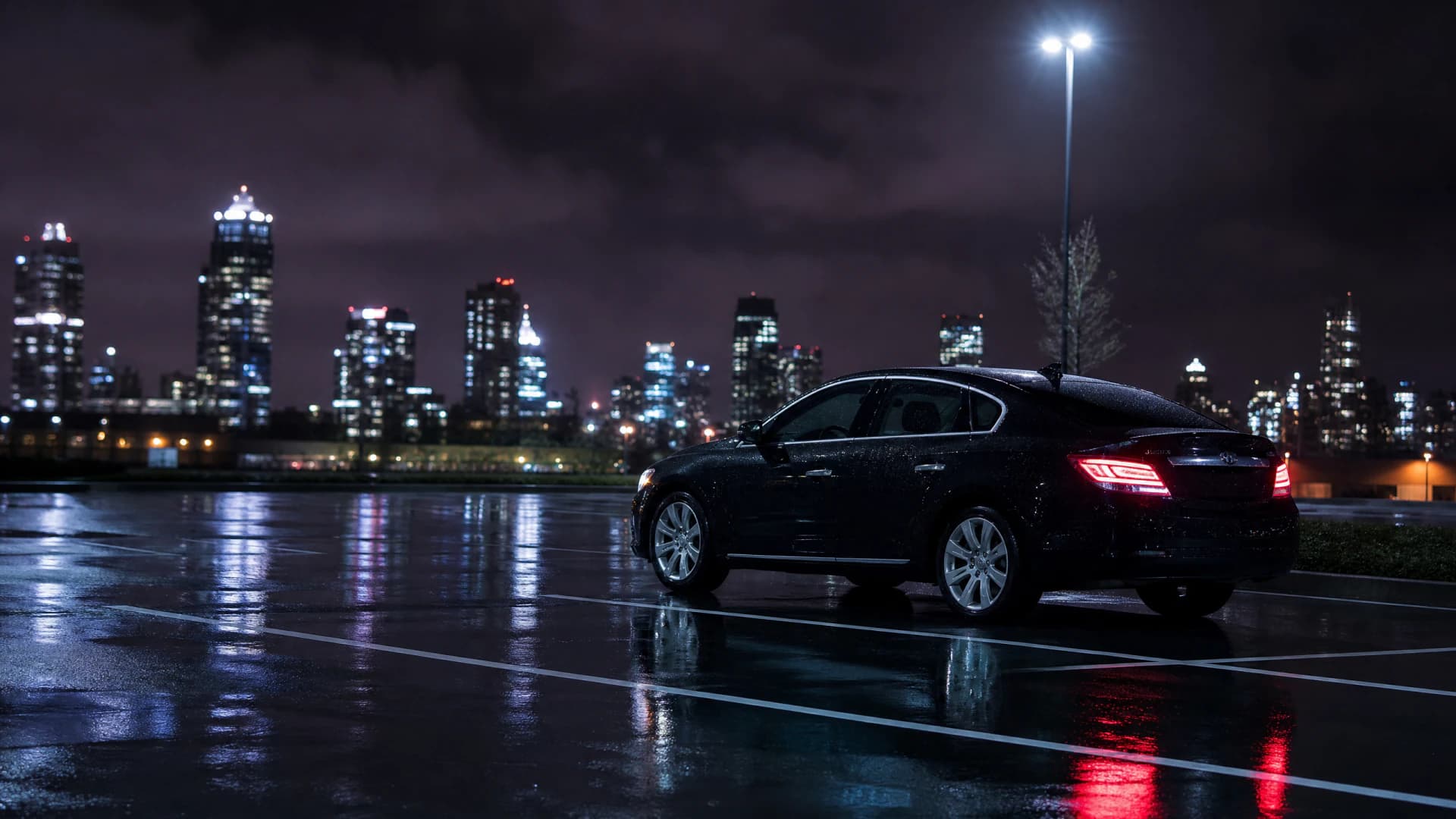
The multi-car discount reduces shared liability cost but does not reduce the per-vehicle collision and comprehensive premiums — every car you add with full coverage brings its own physical-damage price.





How Adding a Vehicle Changes the Total Premium
Adding a car to an existing Maryland policy re-rates the entire policy, not just the new vehicle. The multi-car discount increases slightly with the third and fourth vehicle, but the new car's collision and comprehensive premiums are added at full individual cost. A household moving from two cars with full coverage to three cars with full coverage will see the liability portion drop slightly due to the larger multi-car discount, but the total premium rises because the third car brings its own collision and comprehensive cost.
Carriers apply the multi-car discount to the liability, PIP, and uninsured motorist portions of the premium. Those coverages are shared across drivers and vehicles, so the discount reflects the reduced per-vehicle administrative cost of insuring multiple cars on one policy. Collision and comprehensive are vehicle-specific: the carrier is insuring that specific car's physical damage risk, and that risk does not decrease just because you own more cars. The discount does not extend to physical-damage coverage.
If you add a high-value or high-theft-rate vehicle to a multi-car policy, the collision and comprehensive premiums for that car can exceed the total liability cost for the entire household. The new vehicle's physical-damage coverage becomes the largest single line item on the policy.
16.9%
Maryland Uninsured Motorist Rate
Approximately 16.9% of Maryland motorists drive uninsured, which is why the state mandates uninsured motorist coverage on every policy. This coverage protects you when an at-fault driver cannot pay, and it applies whether you carry collision on your own car or not.
Insurance Research Council, 2023

Comparing Carriers for Multi-Car Full Coverage
Maryland carriers price collision and comprehensive differently based on their own claims experience and risk models. The variance compounds when you insure three or four vehicles: a carrier that prices one car competitively may not price all of them well, and the household with the lowest total premium is not always the carrier with the lowest per-vehicle quote.
The state's carrier roster includes 25 companies writing auto insurance in Maryland, and approximately half of them offer online quoting for multi-car households. Allstate, Geico, Progressive, State Farm, and Nationwide all write multi-car policies with full coverage options and provide online quotes. Comparing at least three carriers for your specific household — every vehicle's year, make, model, and chosen deductible — produces the most accurate total-cost picture.
Next Step: Compare Carriers for Your Household
Get quotes from at least three Maryland carriers for every vehicle you want to insure with full coverage. Provide each car's year, make, model, VIN, and your chosen deductibles so the carrier can price collision and comprehensive accurately. Compare the total annual premium across all vehicles, not just the per-vehicle cost, because the multi-car discount and the individual physical-damage premiums interact differently at each carrier. The household with three cars and mixed coverage levels needs a quote that reflects exactly that structure, not a generic two-car estimate.
When Full Coverage Makes Sense Per Vehicle
A common threshold: if the car's actual cash value is less than ten times the annual collision and comprehensive premium, many households drop physical-damage coverage and self-insure. The math changes per vehicle, and a multi-car household often carries full coverage on newer or financed cars and liability-only on older paid-off vehicles.
Maryland does not require collision or comprehensive on any vehicle unless a lienholder demands it. If you own three cars outright, you can carry full coverage on two and liability-only on the third. The liability-only car still gets the multi-car discount on its liability premium, and you avoid paying collision and comprehensive premiums on a vehicle you could replace cheaply. Carriers price each car independently, so mixing coverage levels across your household's vehicles is standard practice.
Get Your Free Quote
Get My Maryland Car Insurance QuoteFrequently Asked Questions
Does full coverage in Maryland include liability insurance?
Yes. Full coverage is Maryland's mandatory liability, PIP, and uninsured motorist coverage plus collision and comprehensive added to each vehicle. You cannot carry collision and comprehensive without the state-required liability minimums of $30,000/$60,000/$15,000.
Can I carry full coverage on one car and liability-only on another in Maryland?
Yes. Maryland allows you to choose collision and comprehensive coverage separately for each vehicle on your policy. Many multi-car households carry full coverage on financed or newer cars and liability-only on older paid-off vehicles to reduce total premium cost.
Does the multi-car discount apply to collision and comprehensive coverage?
No. The multi-car discount applies to liability, PIP, and uninsured motorist coverage, which are shared across vehicles. Collision and comprehensive are priced individually per vehicle based on that car's value and risk, so the discount does not reduce physical-damage premiums.
How does adding a third car with full coverage change my Maryland premium?
Adding a third car increases the multi-car discount slightly on the liability portion of your premium, but the new vehicle's collision and comprehensive costs are added at full individual price. The total premium rises because the third car brings its own physical-damage coverage cost.
What deductible should I choose for collision coverage on multiple cars?
Choose a deductible you can afford to pay per vehicle per incident. Raising to $1,000 lowers each car's premium but doubles your immediate exposure.
Do I need uninsured motorist coverage if I have collision on my car?
Yes. Maryland requires uninsured motorist coverage on every policy regardless of whether you carry collision. Collision pays for damage to your car in an at-fault crash; uninsured motorist pays when the other driver is at fault but has no insurance. They cover different scenarios.