
Liability-Only Car Insurance — Maryland
Free to compare
Why Maryland Households Choose Liability-Only
You own two or three cars, and you need to register all of them. Maryland requires liability coverage, personal injury protection, and uninsured motorist coverage on every vehicle before the MVA will issue registration. Liability-only policies meet that requirement at the lowest monthly cost, which is why households with older vehicles or tight budgets start there.
The structural reality: liability-only protects the other driver when you cause an accident, but it pays nothing to repair or replace your own cars. When you insure multiple vehicles on liability-only, you are betting that none of them will be totaled in a collision you cause, stolen, vandalized, or damaged by weather. That bet compounds with every car you add to the policy.
“Three cars on liability-only expose you to three simultaneous replacement costs if separate incidents happen close together.”

Meet Maryland's Requirements Without Overpaying
Get My Maryland Car Insurance Quote$30,000/$60,000/$15,000
Maryland Liability Minimums
Maryland requires $30,000 bodily injury per person, $60,000 bodily injury per accident, and $15,000 property damage. Personal injury protection and uninsured motorist coverage are also mandatory. These minimums apply to every vehicle on your policy.
Maryland Motor Vehicle Administration
What Liability-Only Covers Across Multiple Vehicles
Liability coverage pays for damage you cause to another driver's car and their medical bills, up to your policy limits. If you rear-end someone at a stoplight, liability pays to fix their car and cover their injuries. The $15,000 property damage minimum covers the other car; the $30,000/$60,000 bodily injury minimums cover their medical costs.
Personal injury protection pays your own medical bills and lost wages after an accident, regardless of fault. Uninsured motorist coverage pays when the other driver has no insurance or insufficient coverage. Both are mandatory in Maryland and apply to every vehicle on your policy.
Liability-only does not pay to fix your own cars. If you total your vehicle in a single-car accident, or if someone hits you and drives away, or if your car is stolen from your driveway, liability coverage pays nothing. When you insure three cars on liability-only, all three sit unprotected against those risks.
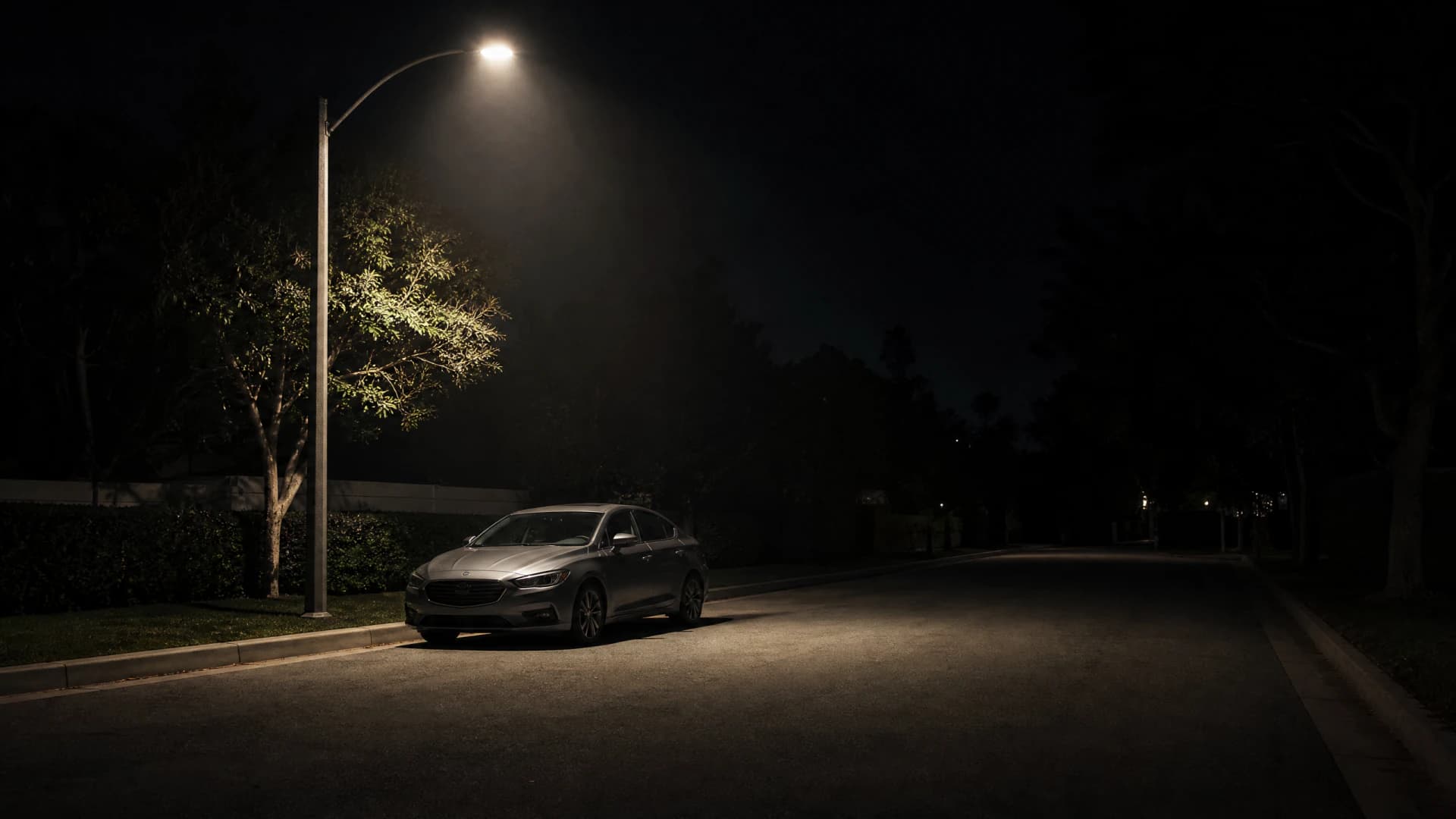
Liability-only meets Maryland's registration requirement but leaves every car on your policy exposed to total loss if you cause an accident or the vehicle is stolen.







The Compounding Risk of Insuring Multiple Cars Without Collision
One car on liability-only exposes you to one vehicle's replacement cost. Three cars on liability-only expose you to three simultaneous replacement costs if a single at-fault accident involves more than one of your vehicles, or if separate incidents happen close together. A household with two teenage drivers and three cars faces higher collision probability than a household with one driver and one car, but the liability-only premium does not account for that compounding exposure.
Maryland recorded 1.08 traffic fatalities per 100 million vehicle miles traveled in 2023, and 16.9% of motorists drive uninsured. When you add a second or third car to a liability-only policy, you increase your household's total miles driven and your exposure to uninsured drivers who may hit your parked car and leave. Uninsured motorist coverage pays your medical bills in that scenario, but it does not fix your car.
The decision point: if losing any one of your vehicles would force you to take on debt to replace it, liability-only is a structural mismatch. Collision and comprehensive coverage cap your out-of-pocket loss at the deductible, typically $500 or $1,000 per vehicle. Liability-only caps your loss at the full replacement cost of every car on your policy.
415.6 per 100,000
Maryland Vehicle Theft Rate
Maryland recorded 415.6 motor vehicle thefts per 100,000 population in 2024. Liability-only coverage does not pay to replace a stolen vehicle. Comprehensive coverage does, minus your deductible.
Maryland state insurance statistics, 2024
How Adding Collision Changes the Multi-Car Policy Structure
You can add collision and comprehensive coverage to some vehicles on your policy and leave others on liability-only. Carriers allow split coverage within a multi-car policy: your daily driver carries full coverage, your older third car carries liability-only. The multi-car discount applies to the entire policy regardless of which vehicles carry collision.
Adding collision mid-term re-rates your policy immediately. The carrier recalculates your premium based on the new coverage level, the vehicle's value, and your chosen deductible. Dropping collision at renewal is simpler and avoids mid-term re-rating, but it leaves the vehicle unprotected until the renewal date. If you plan to add collision to one or two cars in your household, do it at renewal to avoid paying two separate premium calculations in the same term.
Compare Carriers That Write Multi-Car Policies in Maryland
Maryland households insuring multiple vehicles can compare carriers that write liability-only and full-coverage policies in the state. Allstate, Geico, Progressive, State Farm, Nationwide, Farmers, and Erie all write multi-car policies in Maryland. Some carriers offer larger multi-car discounts than others; some price liability-only more competitively for older vehicles; some allow you to mix coverage levels across vehicles on the same policy with fewer restrictions.
The comparison step: get quotes from at least three carriers for the same coverage structure across all your vehicles. Specify which cars you want on liability-only and which you want on full coverage. Ask each carrier how the multi-car discount applies when coverage levels differ across vehicles, and whether adding or dropping collision mid-term triggers a re-rating fee. The carrier that prices lowest for one vehicle may not price lowest for three, and the discount structure matters more in a multi-car household than in a single-car policy.
When Liability-Only Makes Sense for a Multi-Car Household
The math tilts toward liability-only when replacement cost is low and you can absorb the loss.
Liability-only also makes sense when one or more vehicles in your household sit unused most of the time. A third car driven only occasionally carries lower collision risk than your daily commuter, and paying collision premiums on a rarely-driven vehicle often costs more than the vehicle's depreciated value over two or three years. Maryland does not allow you to drop liability coverage on a registered vehicle, but you can structure your policy to carry collision only on the cars you drive daily.
Get Your Free Quote
Get My Maryland Car Insurance QuoteFrequently Asked Questions
Can I insure some cars with collision and others with liability-only on the same Maryland policy?
Yes. Maryland carriers allow split coverage within a multi-car policy. Your daily driver can carry collision and comprehensive while your older third car carries liability-only. The multi-car discount applies to the entire policy regardless of which vehicles carry collision.
Does liability-only cover my car if someone hits me in Maryland?
No. Liability-only pays for damage you cause to another driver's car and their medical bills. If someone hits you, their liability coverage pays for your car, but only if they have insurance and stay at the scene. Uninsured motorist coverage pays your medical bills if they have no insurance, but it does not fix your car.
What happens if I total my car in a single-vehicle accident on a liability-only policy in Maryland?
You pay the full replacement cost out of pocket. Liability-only does not cover damage to your own vehicle in any scenario. Collision coverage would pay to replace the car minus your deductible, typically $500 or $1,000.
How much does it cost to add collision to a liability-only policy for multiple cars in Maryland?
Cost depends on each vehicle's value, your driving record, your deductible choice, and the carrier. Adding collision mid-term re-rates your policy immediately. Compare quotes from at least three carriers for the same coverage structure across all your vehicles to see how collision changes the total premium.
Does the multi-car discount apply if I only carry liability-only on all my vehicles in Maryland?
Yes. The multi-car discount applies to any policy covering two or more vehicles, regardless of coverage level. Liability-only policies qualify for the same multi-car discount as full-coverage policies, as long as every vehicle sits on the same policy.
Can I drop collision on one car mid-term and keep it on the others in a Maryland multi-car policy?
Yes, but dropping collision mid-term re-rates your policy immediately. The carrier recalculates your premium based on the new coverage structure. Dropping collision at renewal is simpler and avoids mid-term re-rating.