
Teen Driver Car Insurance — Maryland
Free to compare
When Your Teen Gets Their License
Your teenager just completed Maryland's graduated licensing requirements and earned their full license at 18. You own two cars already, and now you're deciding whether to add a third vehicle for your teen to your existing policy or start a separate policy in their name. The premium quote you received was higher than expected, and you're trying to understand whether the multi-car discount you've been receiving still applies.
The structural reality: Maryland's multi-car discount requires every vehicle to sit on the same policy under the same named insured. A vehicle titled to your teen and insured on a separate policy does not count toward your household's multi-vehicle discount, even if both policies share the same address. This article walks through how Maryland's graduated licensing rules, state minimum coverage requirements, and multi-vehicle policy structure determine the most cost-effective way to insure your household's cars when a teen driver enters the picture.
“A separately-titled vehicle on a separate policy does not count toward your household's multi-car discount, even if both policies share the same address.”

Meet Maryland's Requirements Without Overpaying
Get My Maryland Car Insurance Quote$30,000/$60,000/$15,000
Maryland Minimum Liability Limits
Maryland requires $30,000 bodily injury per person, $60,000 bodily injury per accident, and $15,000 property damage. Personal injury protection and uninsured motorist coverage are also mandatory. These minimums apply to every vehicle on your policy, including the car your teen drives.
Maryland Insurance Administration
How Maryland Graduated Licensing Affects Policy Structure
Maryland's graduated licensing system requires teens to hold a learner permit at age 15.75 for at least 9 months and complete 60 hours of supervised driving before advancing to an intermediate license at 16.5. The intermediate license carries a midnight-to-5am night restriction and prohibits passengers younger than 18 for the first 151 days. Full licensing begins at 18.
While your teen holds a learner permit, they drive your existing vehicles under your supervision and are covered as a household member on your current policy. You notify your carrier when your teen receives the permit, and the carrier adds them as a rated driver. The premium increases at this stage because the carrier now accounts for a higher-risk driver in the household, but the multi-car discount remains intact because no new vehicle has been added.
The structural shift happens when your teen receives an intermediate or full license and you decide to add a third vehicle for them to drive independently. At that point, you face a choice: add the vehicle to your existing multi-car policy, or title the vehicle in your teen's name and start a separate policy. The multi-car discount applies only to the first scenario. If the vehicle is titled to your teen and insured on a separate policy, your household now has two policies, and the multi-car discount on your original policy drops from three vehicles to two.
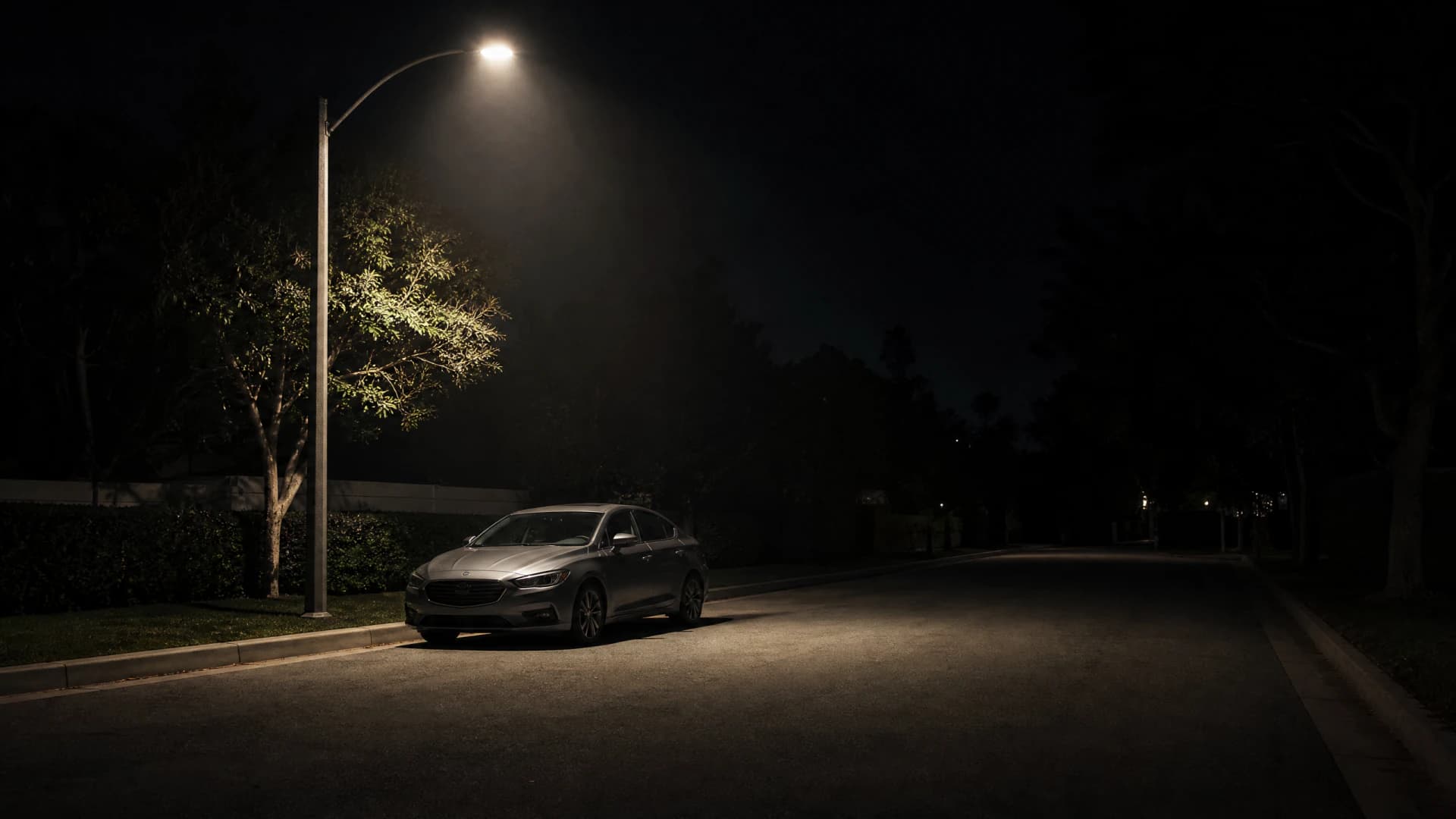
The multi-car discount requires every vehicle to sit on one policy under one named insured. A separately-titled vehicle on a separate policy does not count.



What Happens When You Add the Third Vehicle Mid-Term
Adding a vehicle to an existing policy mid-term triggers a policy re-rate, not a simple flat addition. The carrier recalculates the premium for all three vehicles based on the new household driver profile, which now includes a teen driver as the primary operator of one vehicle. The multi-car discount applies to the recalculated premium, but the increase from adding a high-risk driver is substantial.
Maryland carriers typically provide a grace period of 14 to 30 days to report a newly-purchased or titled vehicle. If you buy the third car and do not report it within that window, the vehicle may not be covered if your teen has an accident during the unreported period. The consequence: a denied claim and out-of-pocket liability exposure. Report the vehicle to your carrier immediately after purchase, even if the title transfer has not yet completed.
If your teen's vehicle is financed, the lender requires comprehensive and collision coverage in addition to Maryland's mandatory liability, PIP, and uninsured motorist coverage. Adding full coverage to a teen-driven vehicle increases the premium further, but it is not optional when a lienholder is involved. If the vehicle is owned outright, you can choose to carry only the state-required minimums, though that leaves you responsible for repair or replacement costs after an at-fault accident.
16.9%
Maryland Uninsured Motorist Rate
16.9% of Maryland motorists drive without insurance. Uninsured motorist coverage is mandatory in Maryland and protects your household when an at-fault driver has no coverage. This is especially important for a teen driver, who is statistically more likely to be involved in an accident.
Insurance Research Council, 2023

Comparing One Policy Versus Two
A household with three vehicles and one teen driver typically pays less under one multi-car policy than under two separate policies, even after accounting for the teen driver premium increase. The multi-car discount offsets part of the teen driver surcharge, and administrative fees are lower when only one policy is active. Carriers apply the discount to the total premium, not per vehicle, so the savings scale with the number of vehicles on the policy.
If your teen moves out of state for college and takes their vehicle with them, the vehicle must be garaged at the college address and may need to be insured under that state's requirements. Some carriers allow a vehicle garaged out of state to remain on a Maryland policy if the student is a dependent and the vehicle returns to Maryland during breaks. Other carriers require the vehicle to be removed from the Maryland policy and insured separately in the state where it is garaged. Clarify your carrier's rules before your teen leaves for school to avoid a coverage gap.
Next Steps for Maryland Households Adding a Teen Driver
Before you add a third vehicle or list your teen as a driver, contact your current carrier and request a quote for adding the teen and the vehicle to your existing multi-car policy. Compare that quote against the cost of starting a separate policy in your teen's name. In most cases, keeping all three vehicles on one policy under your name produces the lower combined premium.
If you decide to add the vehicle to your existing policy, confirm the carrier's grace period for reporting newly-purchased vehicles and report the addition immediately after purchase. If your teen's vehicle is financed, confirm that comprehensive and collision coverage meet the lender's requirements. Maryland requires proof of insurance at registration, so ensure the vehicle is added to your policy before you complete the title transfer and registration process. Compare carriers that write multi-vehicle policies in Maryland to confirm you're receiving the best structure for your household's three vehicles.
Structuring Coverage Across Three Vehicles
If you hold the title to all three vehicles and add the third car to your existing policy, the multi-car discount applies to all three. Your teen is listed as the primary driver of the third vehicle, but you remain the named insured. The carrier re-rates the entire policy when the third vehicle is added mid-term, accounting for the teen driver's higher risk profile, but the multi-vehicle discount offsets part of that increase. This structure keeps all three vehicles under one policy and preserves the discount.
If your teen holds the title to the third vehicle and you start a separate policy in their name, the multi-car discount on your original policy now applies to only two vehicles. Your teen's separate policy does not receive a multi-car discount because it covers only one vehicle. The combined premium across both policies is typically higher than the premium for all three vehicles on one policy, even after accounting for the teen driver's risk. Carriers writing in Maryland that offer multi-vehicle discounts include Allstate, Geico, Progressive, State Farm, and Nationwide.
Get Your Free Quote
Get My Maryland Car Insurance QuoteFrequently Asked Questions
Does my teen driver need their own car insurance policy in Maryland?
No. Your teen can be listed as a driver on your existing multi-car policy, and the vehicle they drive can be added to that same policy. Starting a separate policy in your teen's name typically costs more because they lose the benefit of your household's multi-car discount. Most Maryland households keep all vehicles on one policy under the parent's name.
How much does adding a teen driver increase my Maryland car insurance premium?
The increase depends on your current premium, the number of vehicles on your policy, and your teen's age and driving record. Maryland carriers re-rate the entire policy when a teen driver is added, but the multi-car discount offsets part of the increase if all vehicles remain on one policy. Contact your carrier for a specific quote before adding your teen.
Can I add my teen's car to my policy if the title is in their name?
Some carriers allow a vehicle titled to a household member to be added to the parent's policy if the teen lives at the same address and is listed as a driver. Other carriers require the named insured to hold the title to every vehicle on the policy. Clarify your carrier's rules before completing the title transfer.
What happens if I don't report my teen's new car to my insurance company right away?
Maryland carriers provide a grace period of 14 to 30 days to report a newly-purchased vehicle. If your teen has an accident during the unreported period, the claim may be denied, leaving you responsible for all repair and liability costs. Report the vehicle immediately after purchase to avoid a coverage gap.
Does Maryland require uninsured motorist coverage for teen drivers?
Yes. Maryland requires uninsured motorist coverage on every auto policy, including policies covering teen drivers. 16.9% of Maryland motorists drive without insurance, so this coverage protects your household when an at-fault driver has no coverage. The coverage applies to all drivers and vehicles on your policy.
Can my teen keep their car on my Maryland policy if they go to college out of state?
It depends on your carrier's rules. Some carriers allow a vehicle garaged out of state to remain on a Maryland policy if the student is a dependent and the vehicle returns to Maryland during breaks. Other carriers require the vehicle to be insured separately in the state where it is garaged. Contact your carrier before your teen leaves for school.